
Grinding and brushing
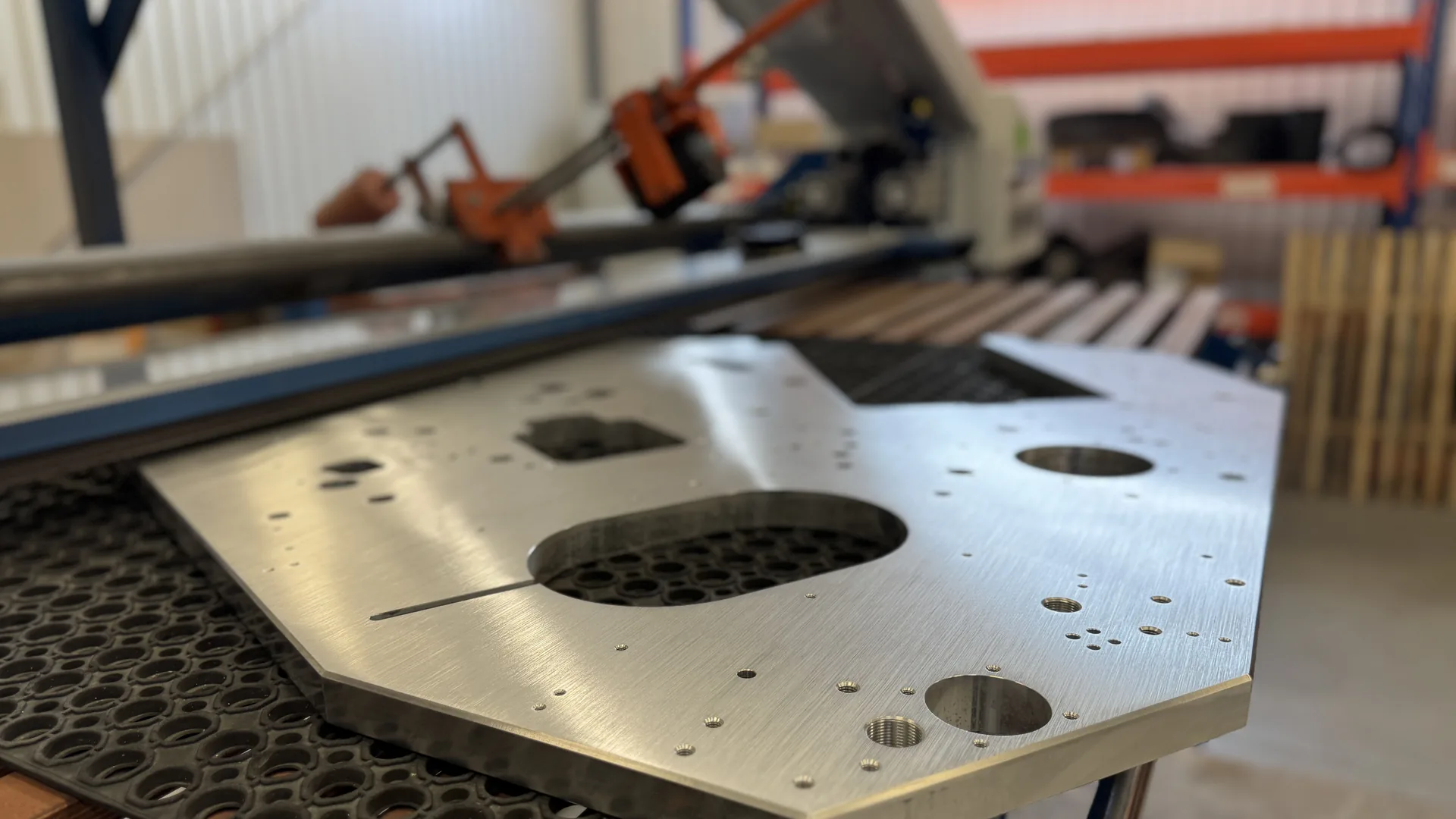
Brushing with various abrasives, grinding of external surfaces and welds, polishing before and after anodizing. Parts up to 2000 × 1000 mm.
Brushing with various abrasives, grinding of external surfaces and welds, polishing before and after anodizing. Parts up to 2000 × 1000 mm.



Brushing gives the part a uniform surface texture, polishing gives it shine. We do both before anodizing, and polishing after it as well.
Anodizing is not a coating that would cover the surface. The aluminium surface turns into oxide, so every milling mark and weld transition remains visible after anodizing. That is why before anodizing we brush parts with various abrasives, grind external surfaces and welds and polish as needed, both before and after anodizing. We process parts up to 2000 × 1000 mm and also have a belt grinder for plates. If you need a matt surface on a precision part, see NANO MATTE Blasting.
Aluminium plates, welded assemblies and machined parts
Delivery in 5 to 10 working days
Parts up to 2000 × 1000 mm
Visible parts that must show no machining marks.
Welded assemblies where the surface at the weld must match the rest of the part.
Polishing before and after anodizing, depending on the look you need.
Why choose grinding and brushing
Find out in 30 seconds whether grinding is the right choice for your part. If you are not sure, send us a drawing and a technician will get back to you within 24 hours.
Milling marks cannot be hidden
Your part is meant to be visible. Anodizing converts the surface into aluminium oxide rather than applying a covering layer, so it does not hide machining marks but emphasises them. They must be removed before the treatment; afterwards it is no longer possible.
Welds look different from the rest of the part
You have a welded assembly and need a uniform surface. We brush external surfaces and welds and match their texture to the rest of the part.
The part needs to be glossy
You need a glossy visible surface. We polish the part before anodizing and, if needed, after it as well.
Results you
can measure
We do not give verbal ratings; we give measurable figures you can verify on your part.
visible milling marks
NANO MATTE Blasting gives a matt, uniform surface even on parts with precise dimensions. After anodizing, the surface stays matt with a uniform appearance.
max. ground surface
A new mechanical pretreatment line. We grind, brush and polish external surfaces and welds.
max. part for NANO MATTE Blasting
Kinetic satin finishing for very precise parts. Our own process, developed in 2017.
Technical
specifications
Because anodizing does not hide machining marks, it emphasises them. Anodic oxidation does not create a layer of another material; the aluminium surface itself turns into aluminium oxide. The layer therefore follows the surface beneath it. If the part is to be visible, the surface must be prepared before anodizing, not after.
Grinding and brushing remove machining marks and give the surface a directional texture; we brush with many types of abrasive. Polishing creates a glossy or semi-gloss surface. Satin finishing (NANO MATTE Blasting) gives a matt, uniform surface without a directional texture. The choice depends on how the part should look.
A special kinetic satin finishing method we developed in 2017. It is designed for parts with precise dimensions that require a matt, uniform surface without visible milling marks. After anodizing, the surface stays matt with a uniform appearance. It is used most in the arms industry and optics. The maximum part dimensions are 3000 × 550 × 100 mm.
For grinding, brushing and polishing, surfaces up to 2000 × 1000 mm. For NANO MATTE Blasting, parts up to 3000 × 550 × 100 mm. For larger parts, contact us and we will assess the options.
Yes. We grind external surfaces and welds, so after the surface treatment the surface at the weld is uniform with the rest of the part. Two things pretreatment cannot solve: with leaking welds, residues of solutions will seep out of the gaps during anodizing and impair the quality of the treatment, and with hollow welded assemblies the drainage of process liquid must be solved with a technological hole. Both belong to the design of the part.
Both before and after. Before anodizing we prepare the surface; after anodizing we give the part a final polish. We also offer electrochemical polishing for technical and decorative purposes, in gloss and semi-gloss.
Yes. The surface texture affects the part’s dimensions, so the principles of dimensional change in surface treatment must be followed. NANO MATTE Blasting was developed precisely for parts with precise dimensions. If the part goes on to anodizing after pretreatment, also allow for the growth of the oxide layer.
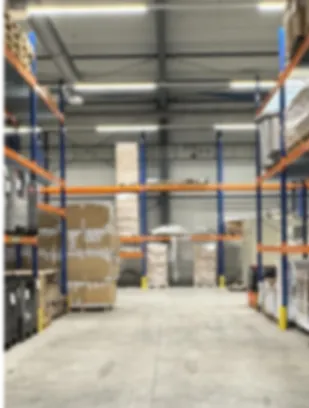
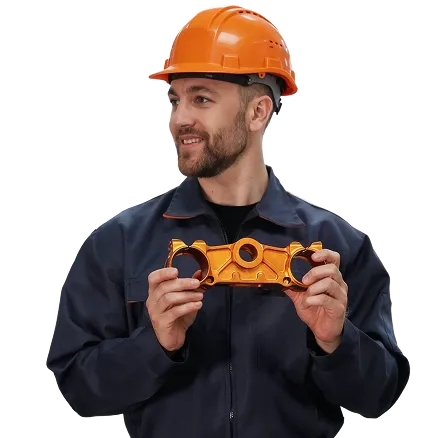

Where grinding and brushing are used
We have completed hundreds of projects for demanding clients in Europe and beyond.
Aerospace
Precision aluminium parts whose surface we even out before anodizing. Show more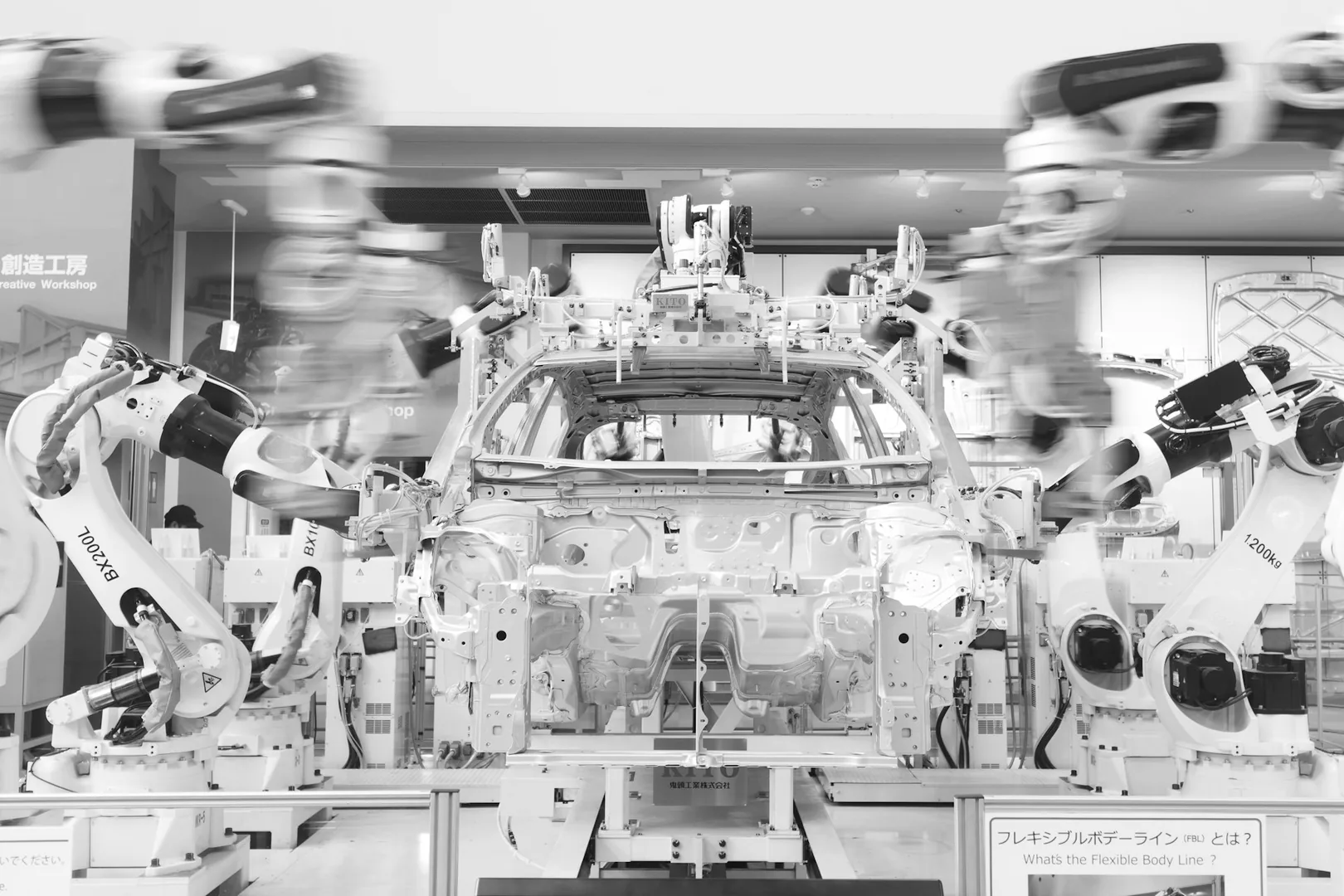
Automotive
Visible aluminium parts with a brushed or polished surface. Show more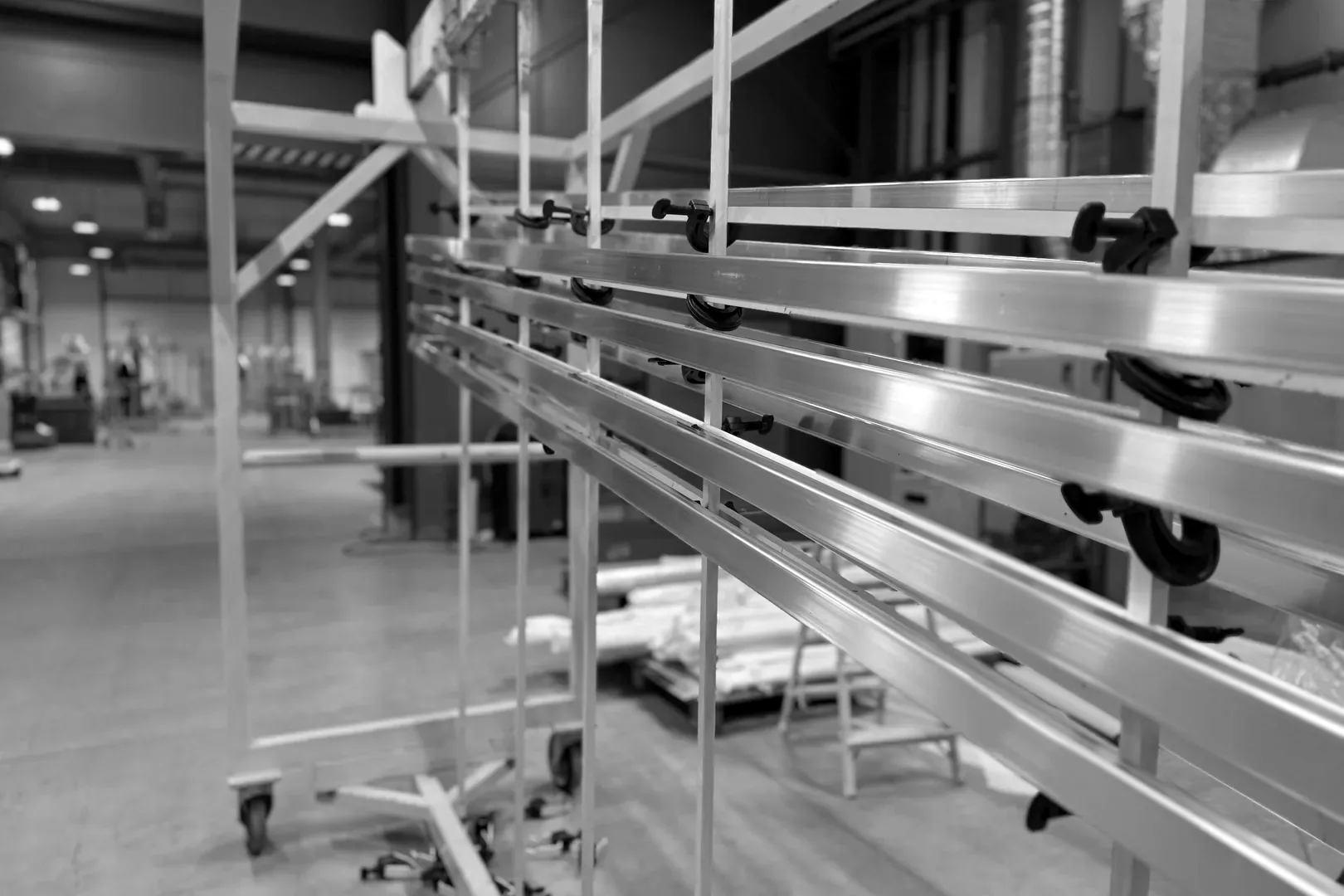
Construction
Aluminium plates and visible elements with a uniform brushed texture. Show more