
Aluminium passivation
336 hours in salt spray to ISO 9227, surface resistance below 0.8 mΩ/cm², free of hexavalent chromium.
336 hours in salt spray to ISO 9227, surface resistance below 0.8 mΩ/cm², free of hexavalent chromium.


Passivation is a chemical process that forms a thin conversion layer on the aluminium surface. It is not a coating but the transformed surface of the metal itself.
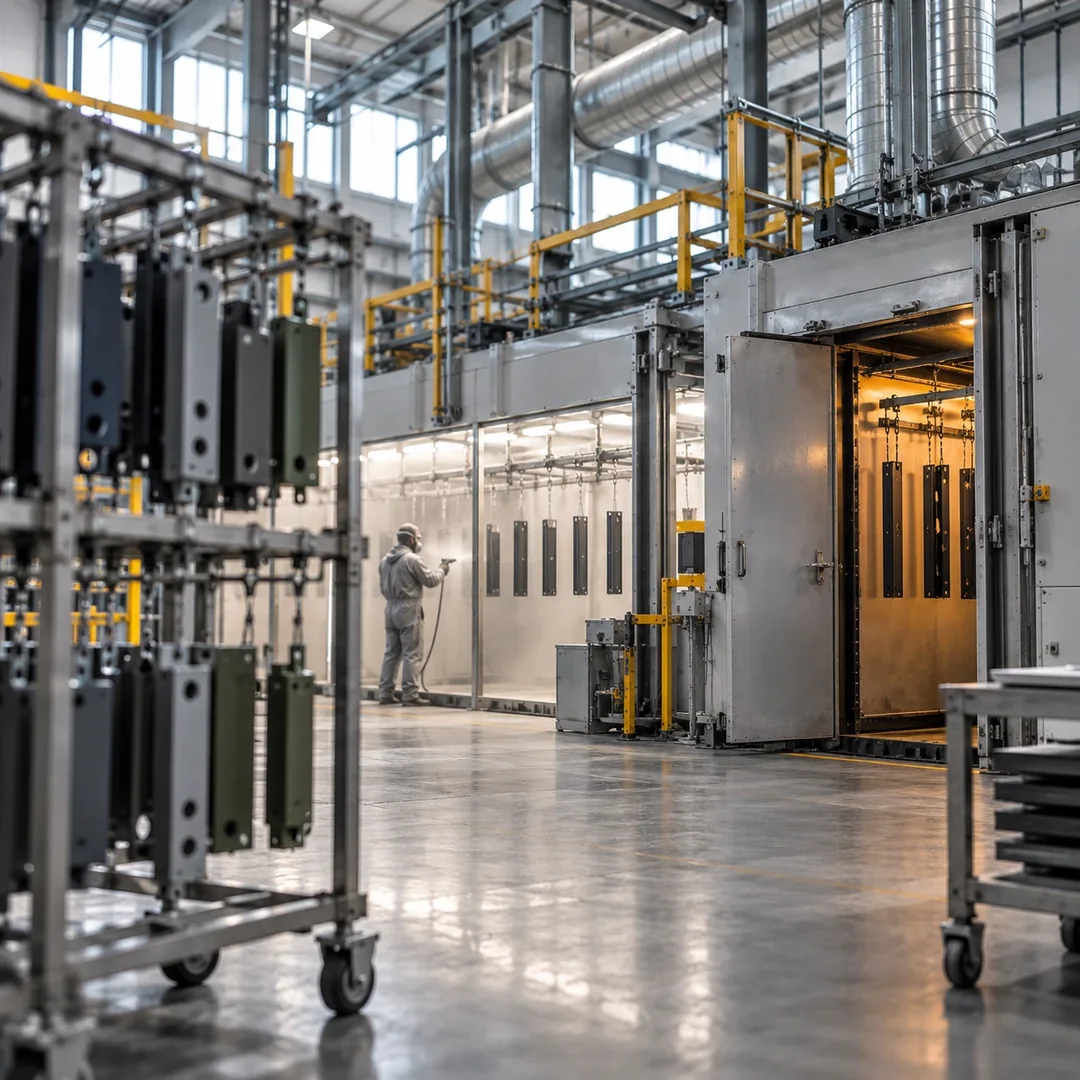
The layer increases corrosion resistance and stabilises electrical surface resistance. Unlike anodizing, it does not insulate the surface: the part stays electrically conductive and its dimensions practically do not change. That is why passivation suits any application where aluminium must be protected against corrosion while staying conductive, or where the surface must be prepared for painting, bonding or spot welding. We passivate on the automatic anodic oxidation line and, since June 2025, also on the new robotic line for large parts and large series.
Aluminium and its alloys: parts, sheets and plates
Delivery in 5 to 10 working days
Parts from 10 mm up to 3700 × 1700 × 800 mm
Parts that must stay electrically conductive while resisting corrosion.
Pretreatment for powder and wet painting, spot welding and bonded joints.
Applications with a specification that prohibits hexavalent chromium.
Why choose aluminium passivation
Find out in 30 seconds whether passivation is the right choice for your part. If you are not sure, send us a drawing and a technician will advise you.
Conductivity and corrosion protection at once
The conversion layer weighs only tens to hundreds of milligrams per m², so it does not insulate the surface. Surface resistance stays below 0.8 mΩ/cm² while the part is protected against corrosion. Anodizing would electrically insulate the surface.
A base for paint, adhesive and spot welds
The part goes on to painting, bonding or spot welding. The conversion layer increases adhesion and corrosion protection: SURTEC 650 meets QUALICOAT and GSB requirements for pretreatment before powder and wet painting, and Bonderite N2040 improves the long-term adhesion of bonded joints.
No hexavalent chromium
If your specification prohibits Cr(VI), our passivations do not contain it. Bonderite N2040 is a chrome-free, titanium-based product. SURTEC 650 is a TCP passivation based on trivalent chromium to MIL-DTL-5541 Type II.
Results you
can measure
We do not give verbal ratings; we give measurable figures you can verify on your part.
in salt spray
Corrosion resistance of SURTEC 650 passivation to ISO 9227.
max. surface resistance
The part stays electrically conductive, with surface resistance below 0.8 mΩ/cm². SURTEC 650, for applications in the electrochemical industry.
max. coating weight
We set the coating weight according to the purpose: 50 to 200 mg/m² where low surface resistance is the priority, 250 to 500 mg/m² for maximum corrosion protection.
Passivation variants
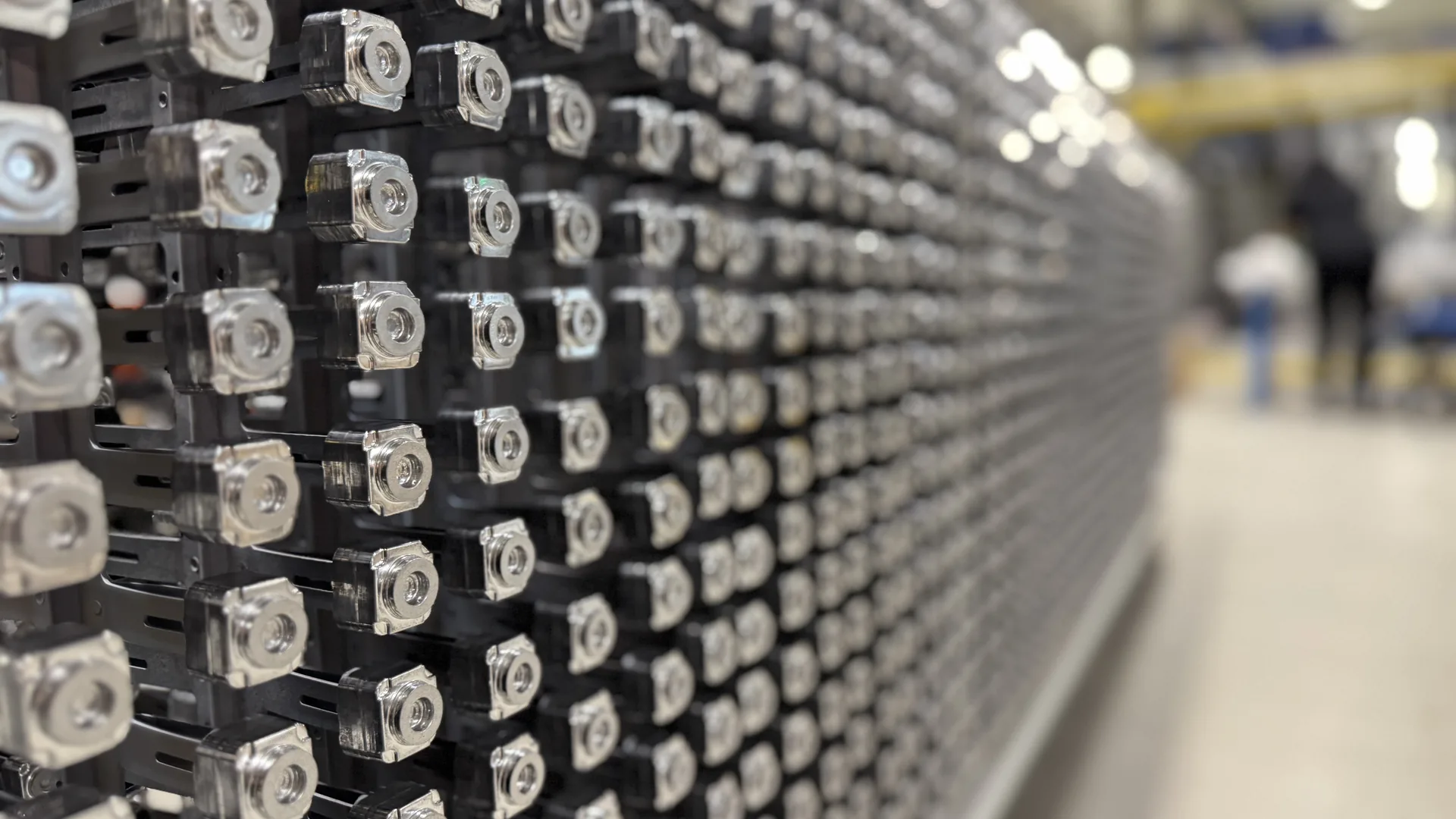
Chrome-free Bonderite N2040
SURTEC 650 with trivalent chromium
Technical
specifications
It is a chemical conversion layer on the aluminium surface. It increases corrosion resistance and stabilises electrical surface resistance. It is used where the part must remain conductive, or as a pretreatment before painting, bonding or spot welding.
Anodizing creates a thick oxide layer (clear 5 to 25 µm, hard 10 to 80 µm) that is hard and wear-resistant, electrically insulates the surface and changes the part’s dimensions. Passivation creates a thin conversion layer that preserves conductivity and dimensions but does not increase hardness. If you need hardness, wear resistance or colour, choose anodizing. If you need conductivity and corrosion protection or a base for paint, choose passivation.
Bonderite N2040 is a chrome-free, titanium-based passivation. It is used mainly to stabilise surface resistance and improve the long-term adhesion of bonded joints, and it meets the BMW 97022 process specification. SURTEC 650 is a TCP passivation. It is used for corrosion protection of conductive aluminium plates, as a pretreatment for spot welding and as a base for powder or wet painting. It meets QUALICOAT and GSB requirements and achieves 336 hours NSS to ISO 9227.
No. Bonderite N2040 is a chrome-free, titanium-based product. SURTEC 650 is classified as TCP, meaning it works with trivalent chromium and contains no hexavalent chromium. If your specification prohibits chromium in any form, choose Bonderite N2040. We do not offer chromating.
With SURTEC 650 it is 336 hours in neutral salt spray to ISO 9227. We choose the coating weight according to the purpose: 250 to 500 mg/m² for maximum corrosion protection, 50 to 200 mg/m² where low surface resistance is the priority.
Yes, that is exactly what passivation is often used for. SURTEC 650 serves as a base for both powder and wet painting, increasing adhesion and corrosion protection, and as a pretreatment for spot welding aluminium sheets. Bonderite N2040 improves the long-term adhesion of bonded joints.
The maximum part size is 3700 × 1700 × 800 mm; passivation runs on the same automatic line as anodic oxidation. Since June 2025 we have also had a new fully automatic robotic line for passivation and anodizing of aluminium for large dimensions and high-volume projects. We work on everything from single prototypes to series of thousands of pieces.
Parts must be free of residues of oils, emulsions and pastes and of swarf, especially from threaded blind holes; we recommend blowing out holes with compressed air. Products based on silicones, rapeseed oil, drying oils and waxes are not permitted. Parts must not be marked with paint or markers, taped, or contain components made of metals other than aluminium. Send the order and drawing documentation with the actual dimensions, defined contact points and visible surface together with the parts. State any requirement for masking holes, threads or surfaces directly in the order, not just on the drawing.

Where passivation is used
We have completed hundreds of projects for demanding clients in Europe and beyond.
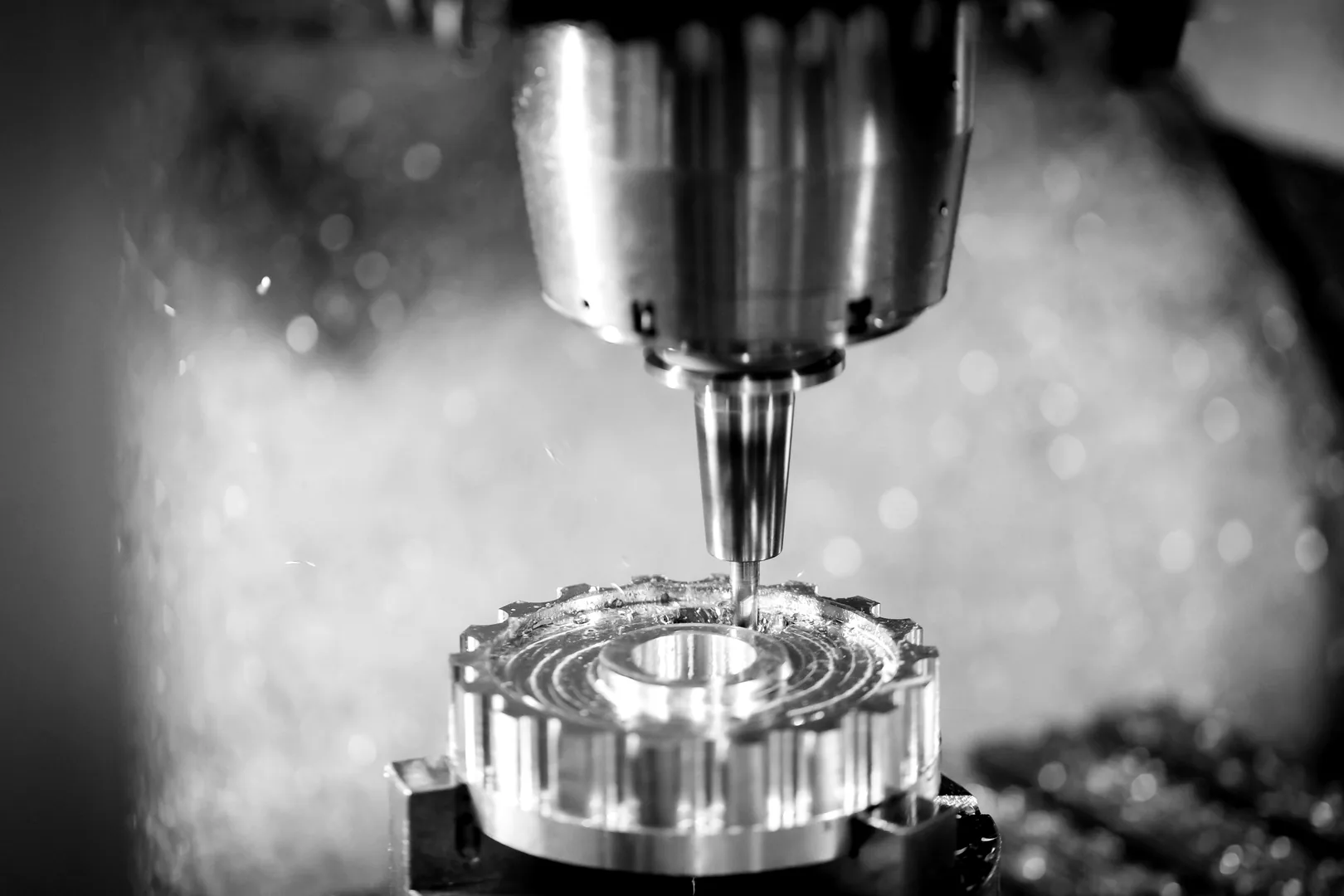
Electrical and electrochemical industry
Aluminium plates and parts that must stay electrically conductive while resisting corrosion. Surface resistance below 0.8 mΩ/cm². Show more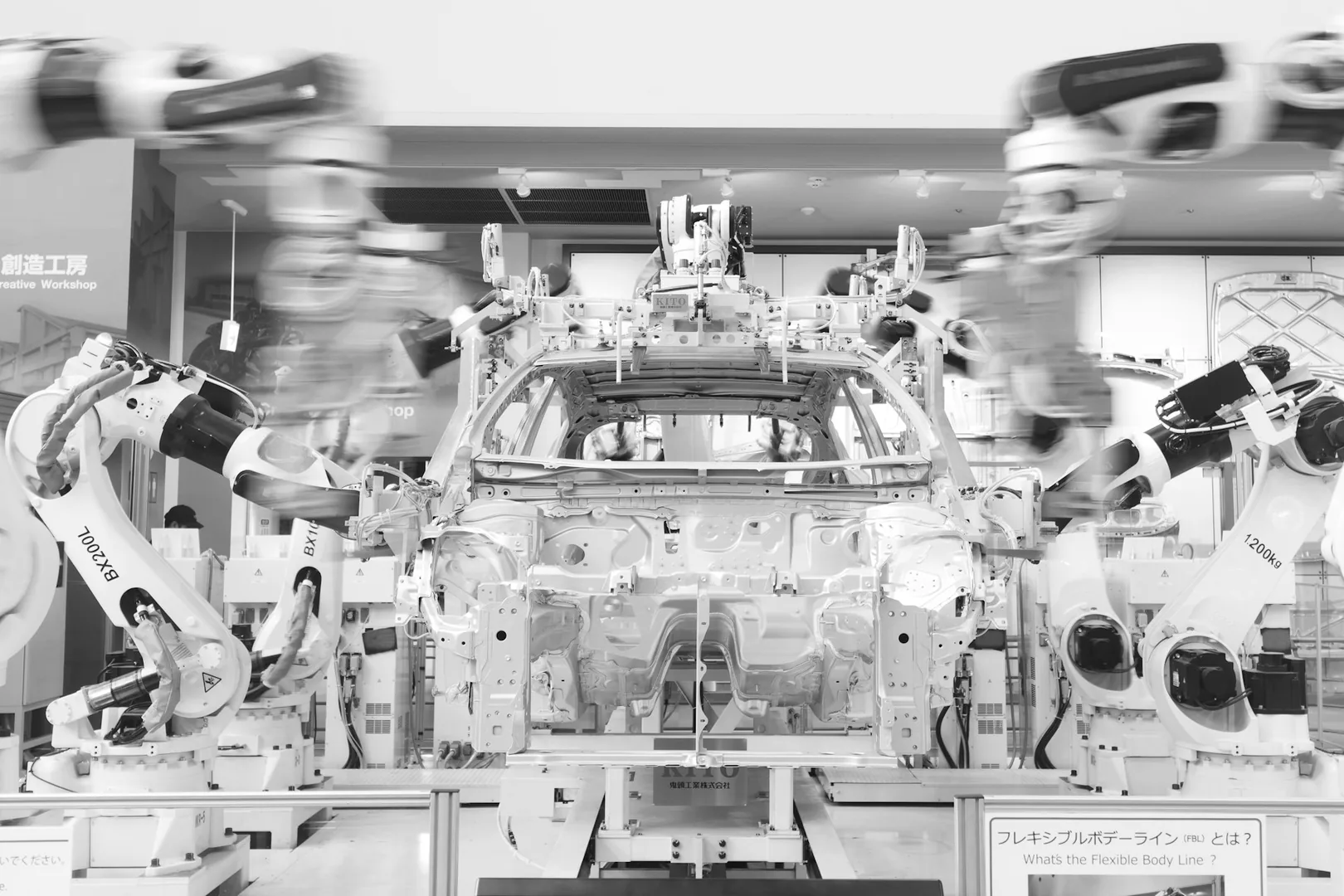
Automotive
Conversion layers to manufacturers' specifications: Bonderite N2040 meets the BMW 97022 specification. Pretreatment of aluminium sheets for spot welding and bonded joints. Show more
Aerospace and arms industry
We are an approved supplier to the aerospace and arms industries for the processes on our anodic oxidation line, which include TCP passivation to MIL-DTL-5541. Show more