
Black anodizing
A black aluminium surface to EN and MIL standards. The dye sits directly in the anodic layer, without lacquer.
A black aluminium surface to EN and MIL standards. The dye sits directly in the anodic layer, without lacquer.



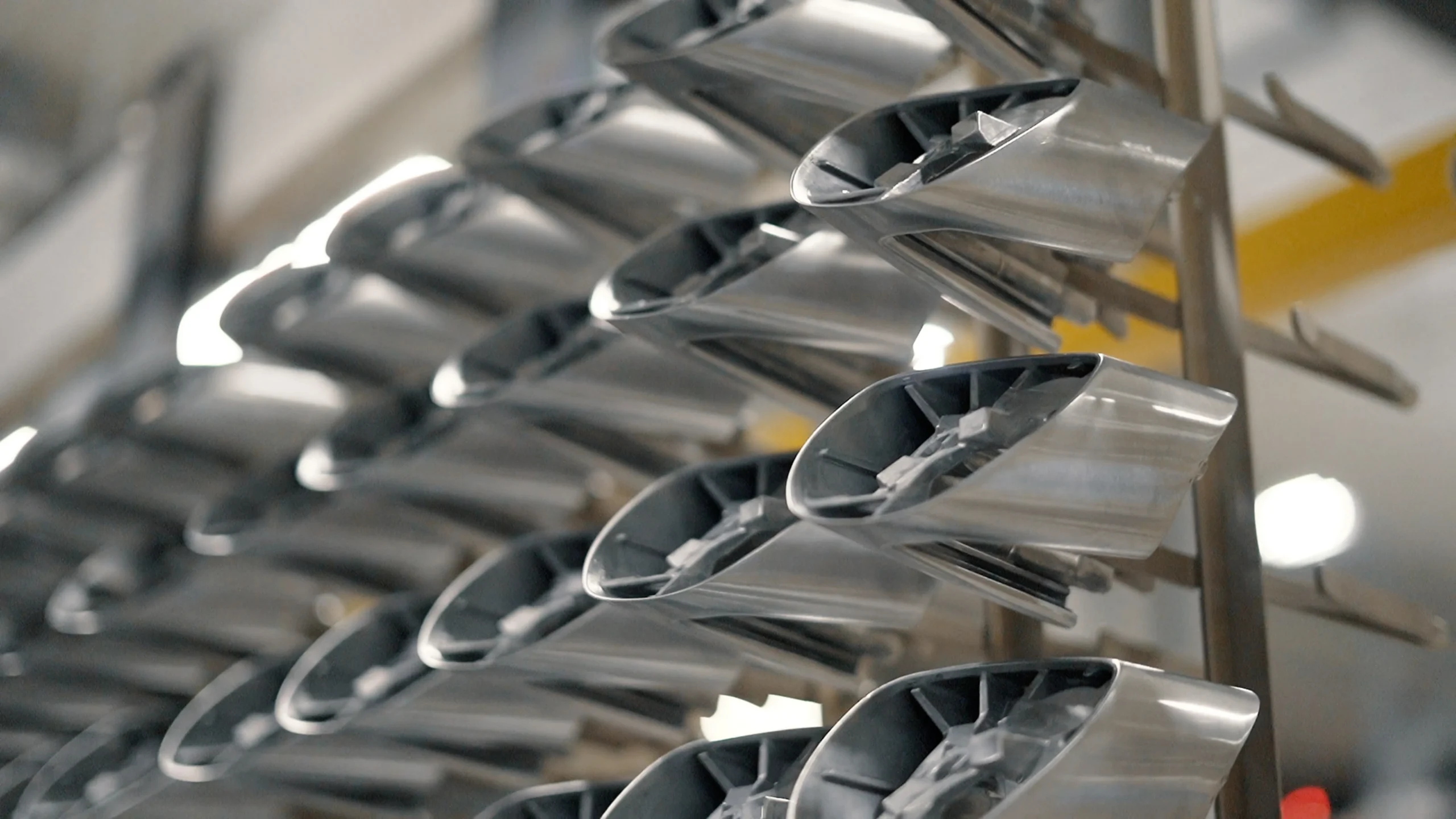
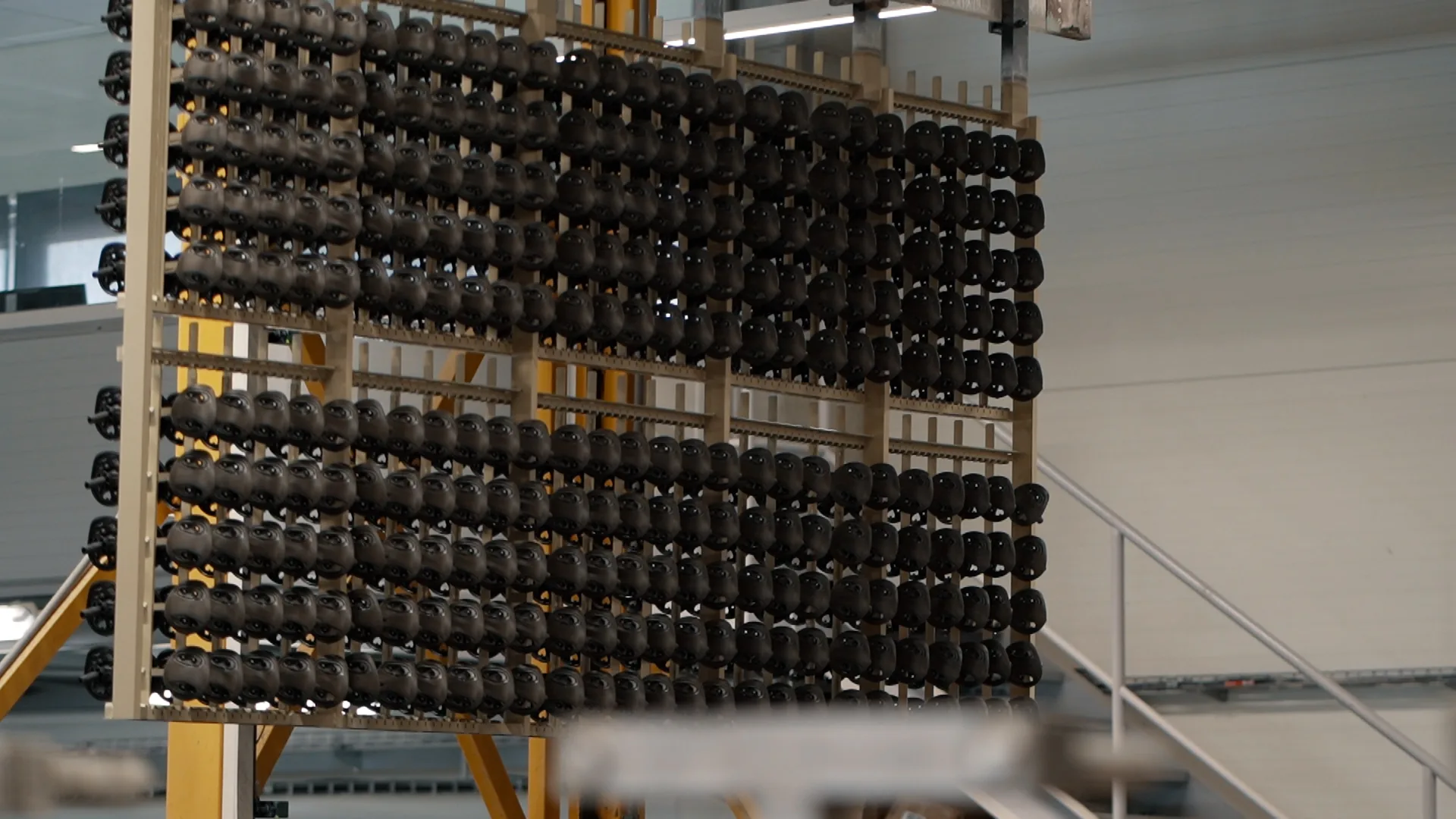
Black anodizing is an anodic layer dyed black. The dye is deposited in the pores of the aluminium oxide and sealed in them.
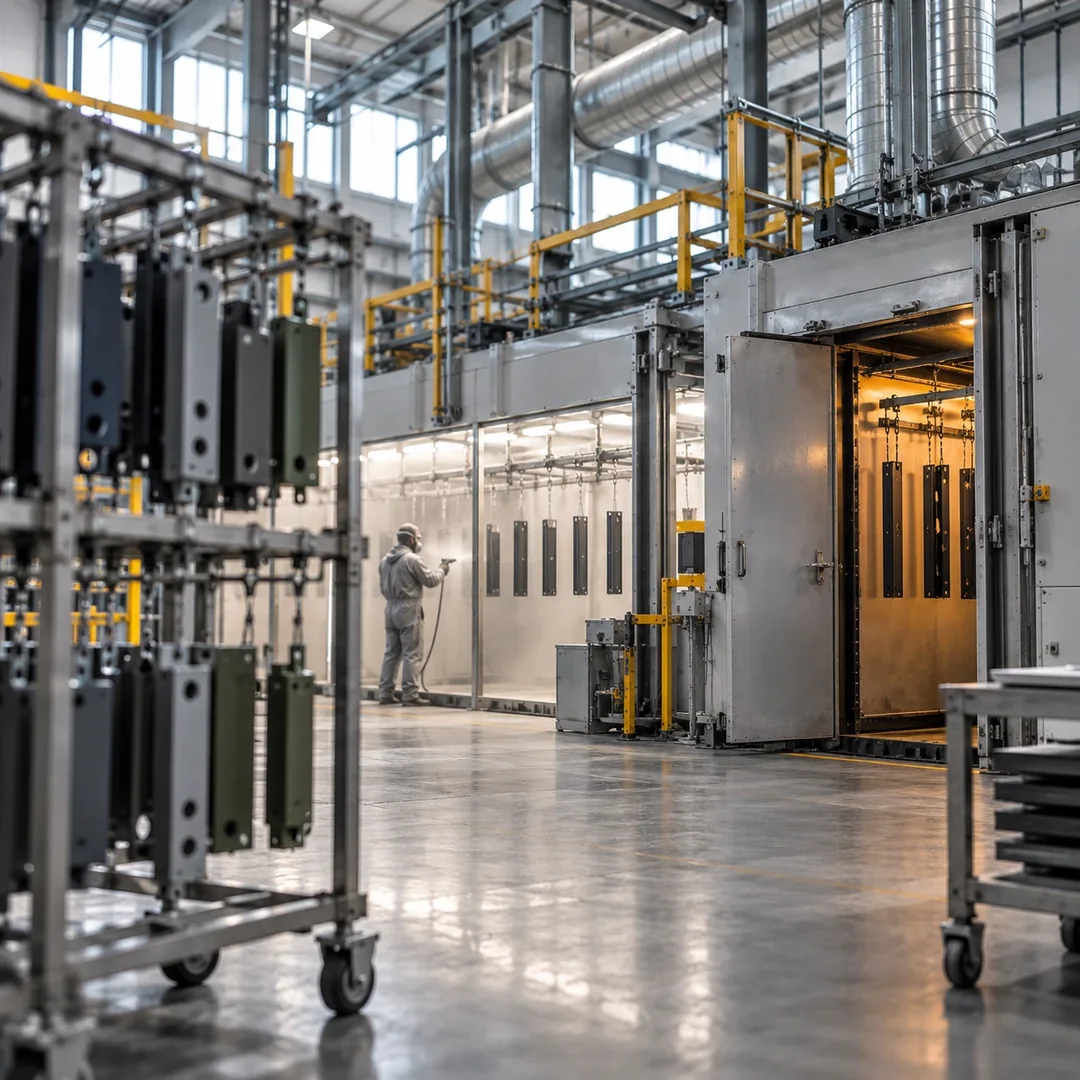
We offer black anodizing to EN and MIL standards. On clear anodizing we dye with an organic black dye; with hard anodizing and castings, black evens out the shade that the alloy would otherwise determine. It is not lacquer; the colour is part of the layer, so it does not peel off. We process black-anodized parts in a tank measuring 3200 × 1650 × 800 mm.
Aluminium and aluminium alloys, including die castings
Delivery in 5 to 10 working days
Parts up to 3200 × 1650 × 800 mm
A black surface to EN and MIL standards.
The colour is part of the layer and does not peel off like lacquer.
It evens out the shade of hard anodizing and of castings.
Why choose black anodizing
Find out in 30 seconds whether black anodizing is the right choice for your part. If you are not sure, send us a drawing. A technician will assess it and suggest a suitable treatment.
The standard prescribes black anodizing
Your specification requires black anodizing to EN or MIL. We perform it to both.
Uniform look across different alloys
Parts made of different alloys would have a different shade after anodizing. Black evens it out, both in hard anodizing and for castings.
Black without lacquer
You do not want a coating that can peel off. The black dye sits in the pores of the anodic layer and is sealed in.
Results you
can measure
We do not give verbal ratings; we give measurable figures you can verify on your part.
black anodizing standards
Black anodizing to EN and MIL standards.
tank for black
Net tank dimensions 3200 × 1650 × 800 mm.
min. layer on a casting
We hard anodize die castings with a special process, usually with a layer of min. 20 µm. Black then evens out their otherwise uneven shade.
Black anodizing variants
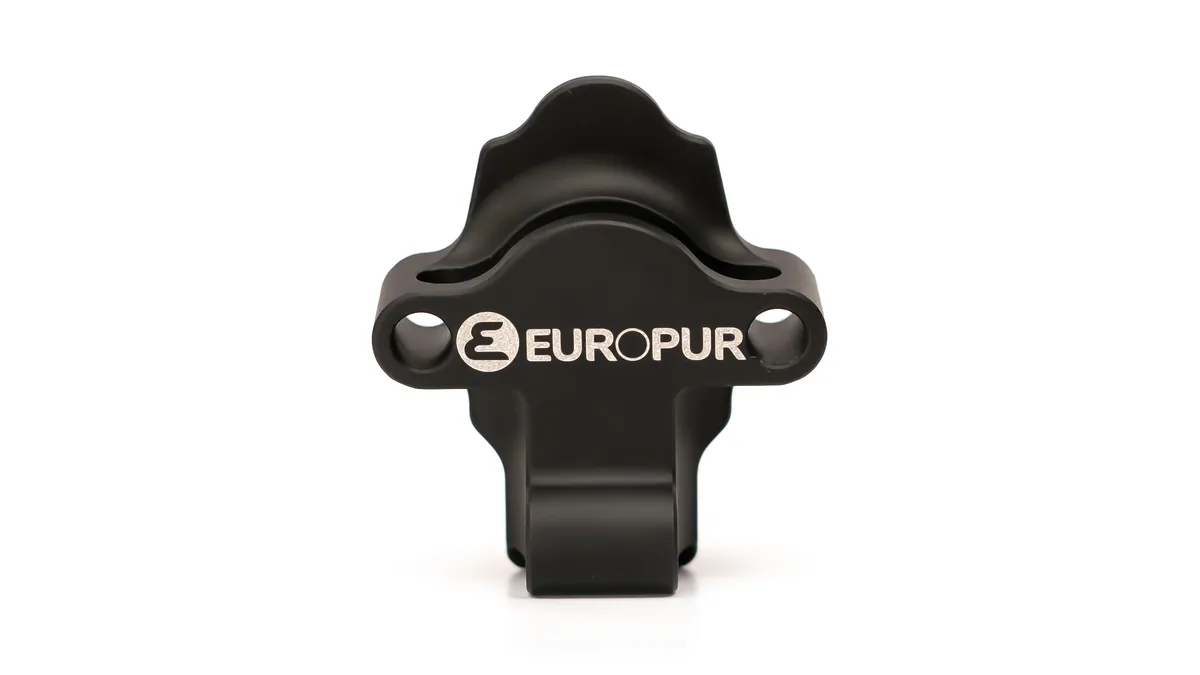
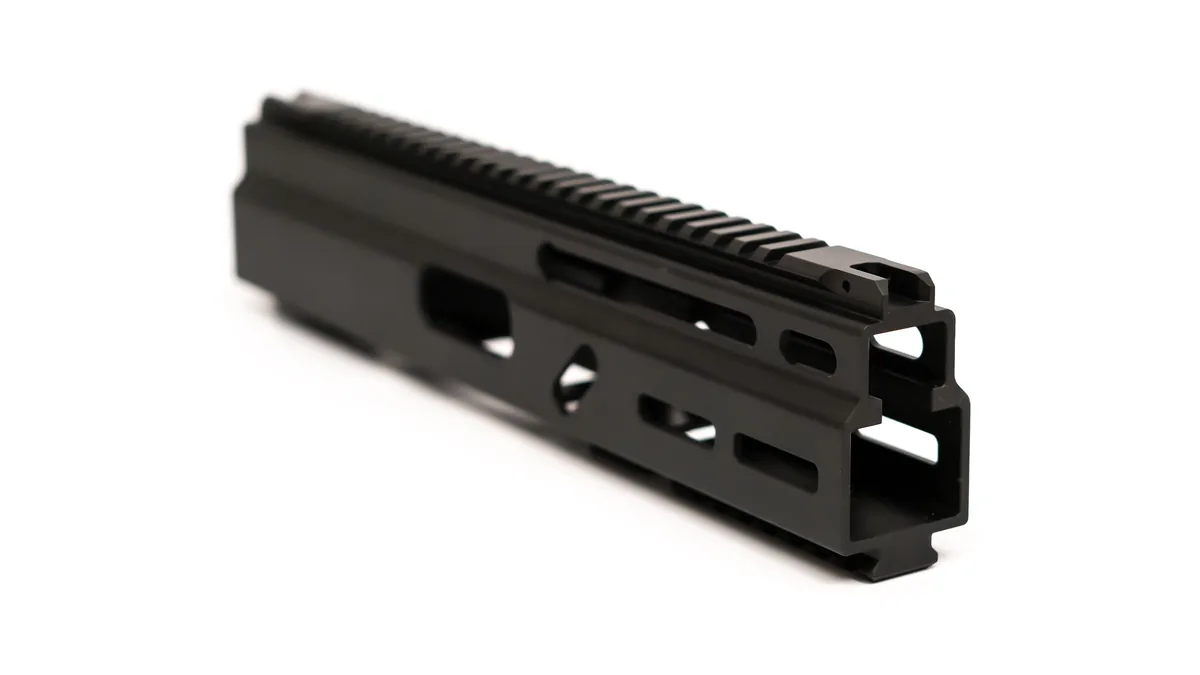

Black anodizing process
Degreasing
Pickling
Anodizing
Black dyeing
Sealing
Technical
specifications
To EN and MIL standards. State the specific standard in your order or on the drawing. For every order we issue a certificate of the treatment performed.
No. Lacquer is a layer applied to the surface; black anodizing is a dye deposited in the pores of the anodic layer and sealed in. That is why it does not peel off.
Yes. In hard anodizing, black evens out the shade that is otherwise determined by the alloy, from pale grey through olive green to dark brown.
Yes. For die castings we have a special hard anodic oxidation process with a layer of min. 20 µm, and by dyeing them black we even out their otherwise uneven shade.
We process black-anodized parts in a tank with net dimensions of 3200 × 1650 × 800 mm.
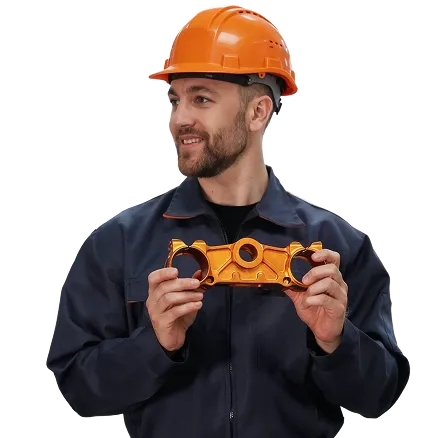

Where black anodizing is used
We have completed hundreds of projects for demanding clients in Europe and beyond.

Defence
We are an approved supplier to the defence industry. Black anodizing to EN and MIL standards for functional parts. Show more
Aerospace
We are an approved supplier to the aerospace industry for anodic oxidation of aluminium. Black anodizing to EN and MIL standards. Show more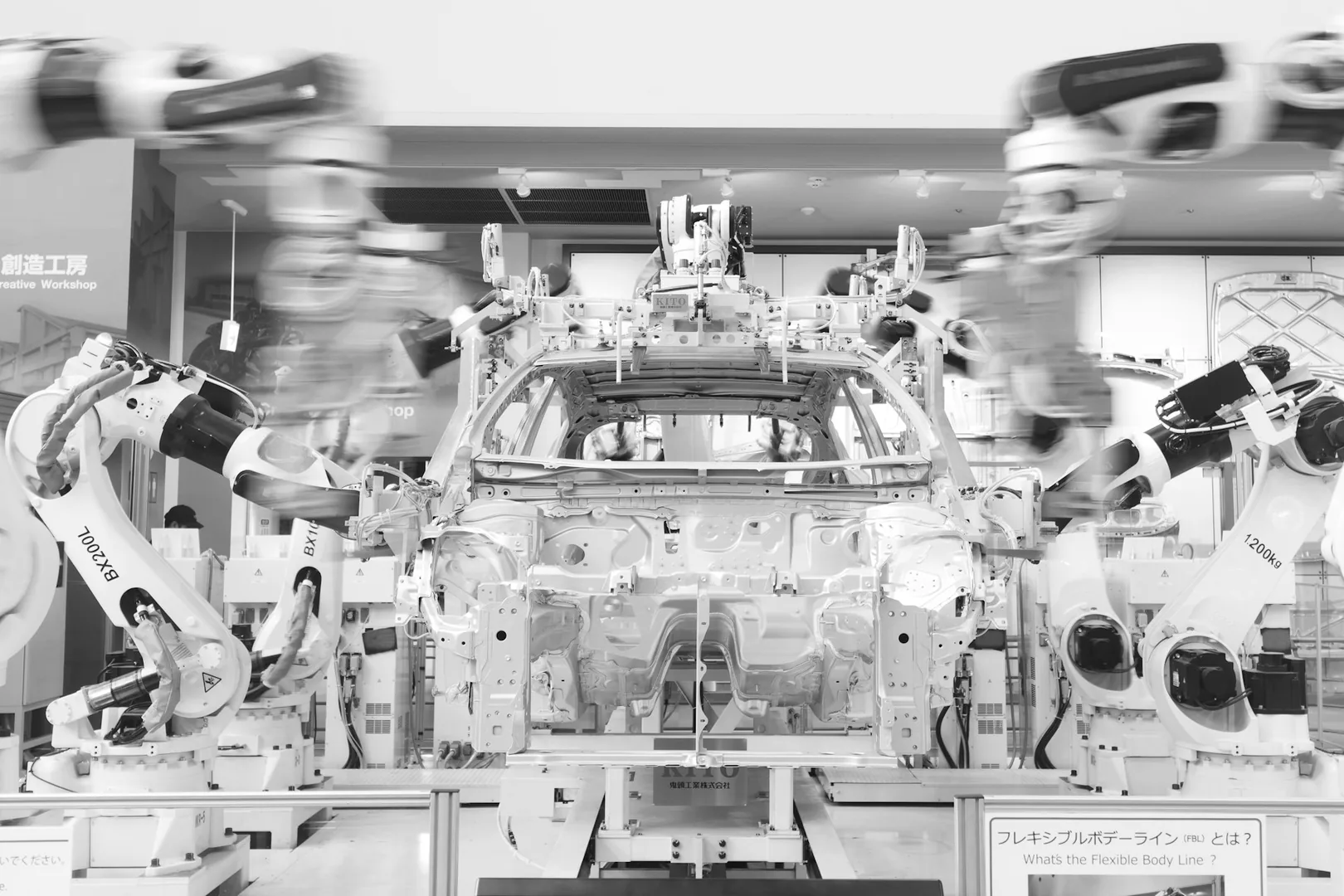
Automotive and motorcycle industry
Black visible and functional parts with a uniform shade across the whole series. Show more