
Clear anodizing
A 5 to 25 µm layer depending on the class and a metal look without paint.
A 5 to 25 µm layer depending on the class and a metal look without paint.


Clear anodizing is the anodic oxidation of aluminium. A thin oxide layer of 5 to 25 µm forms on the surface, firmly bonded to the base material, which protects the part against corrosion and keeps its metallic look.
No other material is applied to the aluminium; the surface turns into aluminium oxide, which neither peels off nor cracks. Clear anodizing resists dirt and corrosion, has high abrasion and UV resistance and is electrically non-conductive. Undyed, it has a silver-grey shade slightly tinted by the alloy; we can dye the layer afterwards without changing the dimensions of the part. You choose the thickness by class, from a base for paints to high corrosion stress. It is also available in a satin finish.
Wrought aluminium alloys of the 1000, 5000 and 6000 series
Delivery in 5 to 10 working days
Parts from 10 mm up to 3700 × 1700 × 800 mm
Corrosion protection and resistance to dirt without a coating that could peel off.
High abrasion resistance and UV resistance; with class 20 also for exterior architecture.
An electrically non-conductive surface that can be dyed afterwards without changing the dimensions of the part.
Why choose clear anodizing
Find out in 30 seconds whether clear anodizing is the right choice for your part. If you are not sure, send us a drawing. A technician will assess it and suggest a suitable treatment.
Corrosion protection without paint
The part has to withstand moisture and dirt, but you do not want lacquer. The sealed anodic layer stops further corrosion and does not peel off.
A metal look that lasts
You want to keep the metallic look of aluminium. Clear anodizing resists UV radiation and abrasion; with class 20 you can also use it for exterior architecture.
Base for further finishing
Your part will be painted. A thin class 5 layer serves as a base for paints.
Results you
can measure
We do not give verbal ratings; we give measurable figures you can verify on your part.
thickness by class
Classes 5, 10, 15, 20 and 25, from a base for paints to high corrosion stress.
max. part length
Parts up to 3700 × 1700 × 800 mm; the smallest part is 10 mm.
electrolytic shades
Bronze shades up to black with high UV stability. Electrolytically we also produce the INOX shade with a stainless-steel look.
Clear anodizing variants
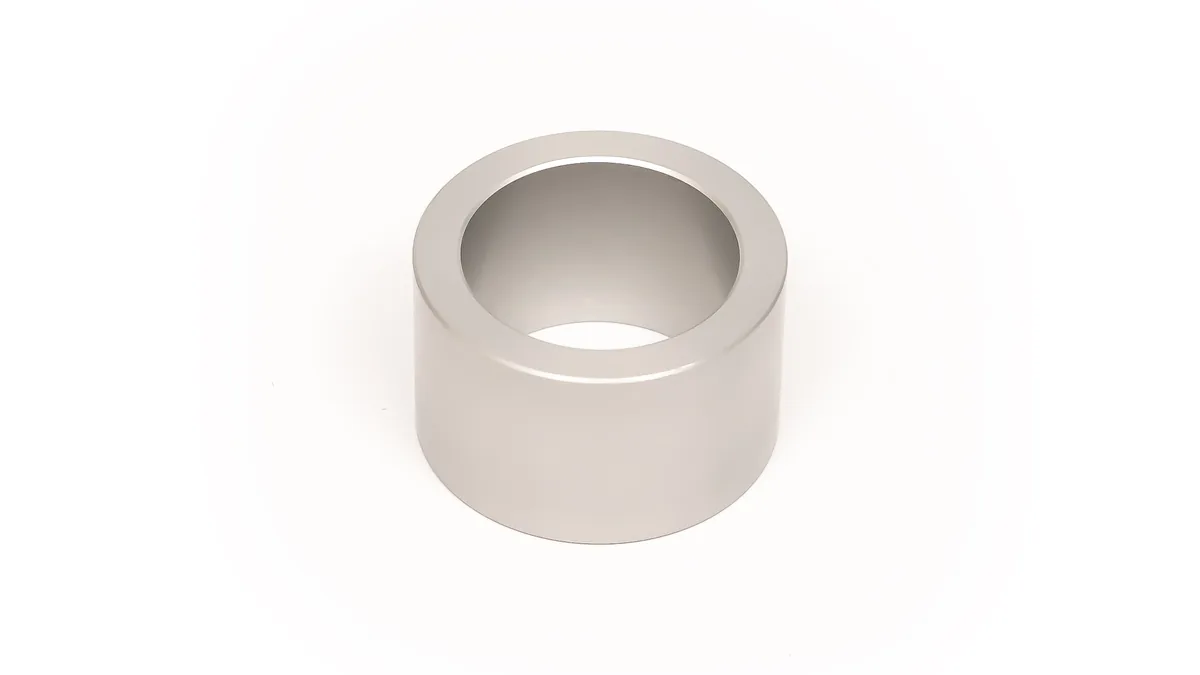
Undyed clear anodizing
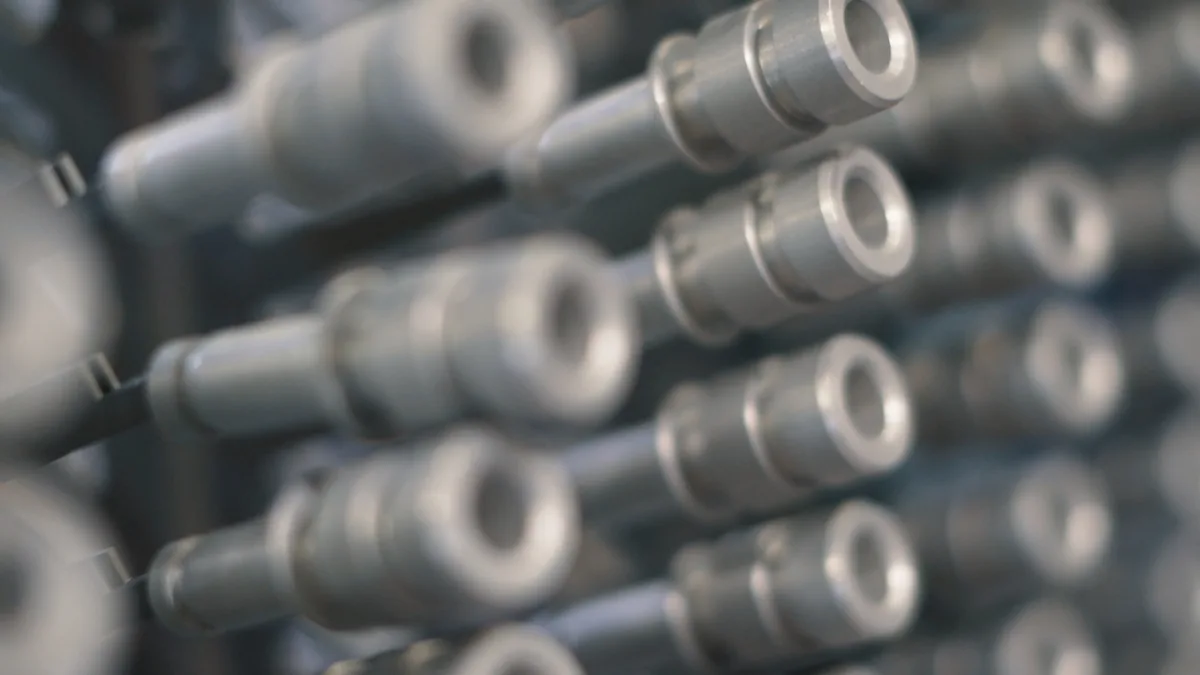
Satin clear anodizing
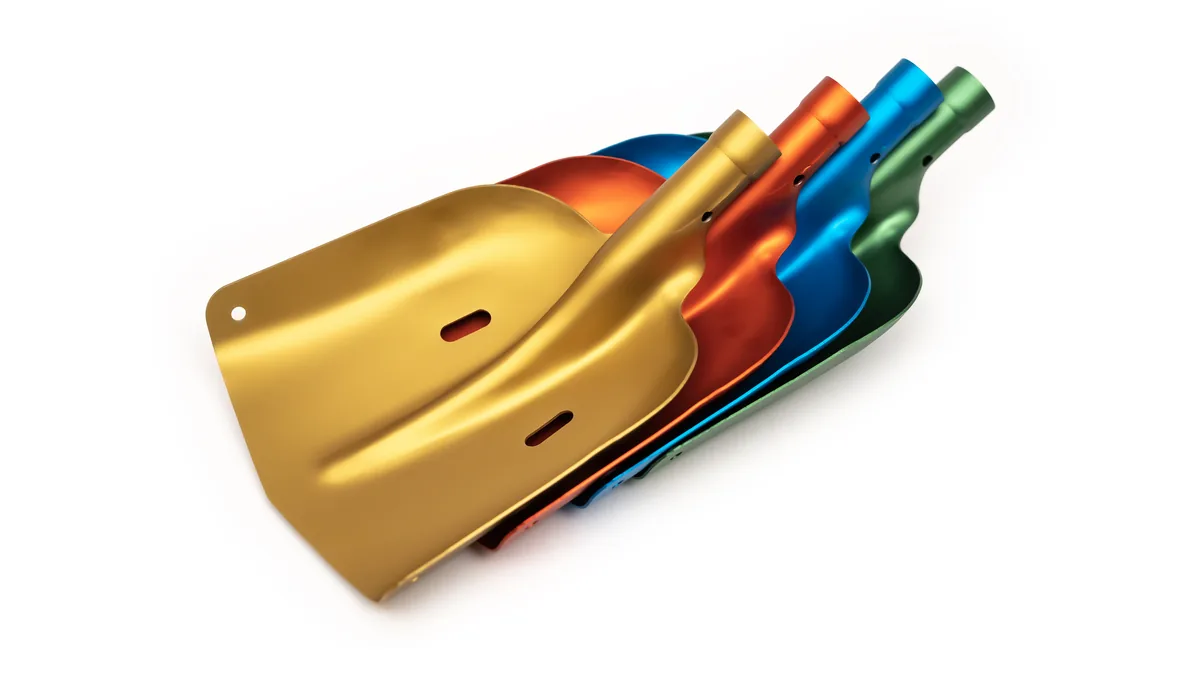
Organically dyed clear anodizing
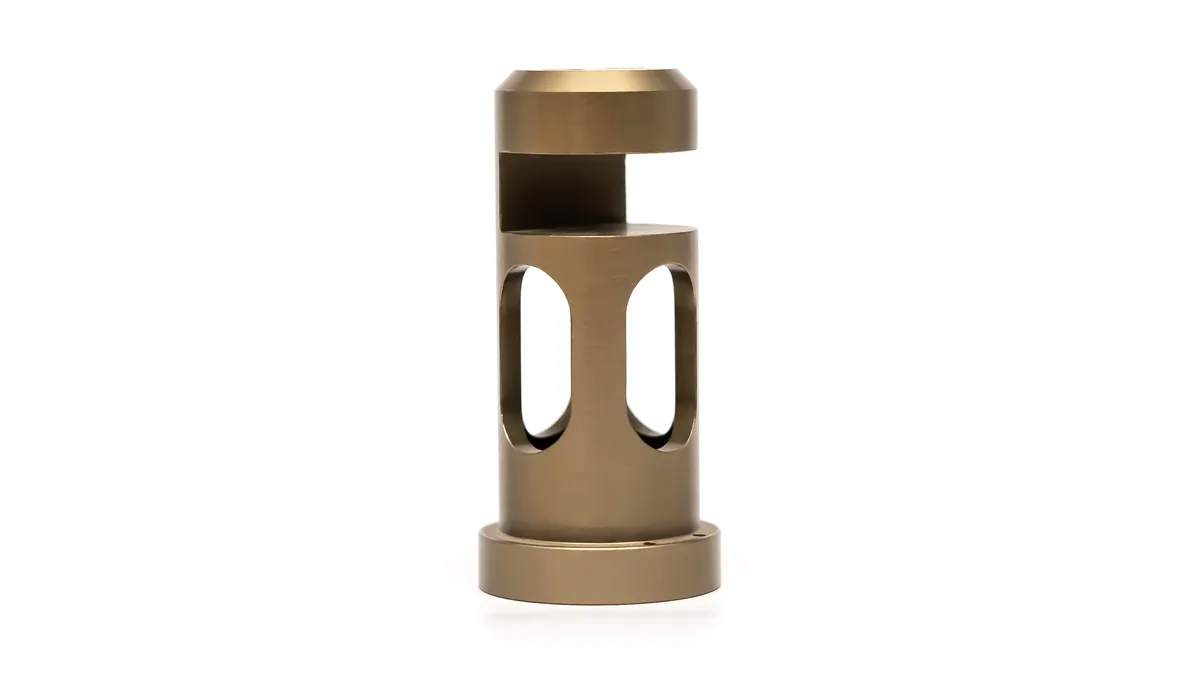
Electrolytically coloured anodizing

Polished clear anodizing
Clear anodizing process
Degreasing
Pickling
Anodizing
Colouring (optional)
Sealing
Technical
specifications
Class 5 serves as a base for paints, classes 10 and 15 for general use, class 20 for exterior architecture and class 25 for high corrosion stress. The class number gives the minimum average layer thickness in µm.
Clear anodizing forms a 5 to 25 µm layer and is used mainly for corrosion protection and a decorative look. Hard anodizing forms a 10 to 80 µm layer, is considerably harder and more wear-resistant and is used for functional, mechanically stressed parts.
Yes, and this needs to be considered in the design. The oxide layer grows in both directions from the original surface; the outward growth is about 50 % of the layer thickness. With a 20 µm layer (class 20), the diameter of a hole decreases by 2 × 10 µm = 20 µm.
Undyed clear anodizing has a silver-grey shade, slightly tinted depending on the alloy. We dye it black, gold, champagne, blue, orange, red or purple. Electrolytically we colour it in bronze shades C31 to C35 up to black and in the INOX shade with a stainless-steel look.
It is clear anodizing with a finely matt, even surface without gloss. The layer thickness is likewise 5 to 25 µm. If you need a precisely defined look, send us a sample or a surface specification.
Yes. Clear anodizing resists UV radiation; for exterior architecture we recommend class 20, for high corrosion stress class 25. The electrolytic shades C31 to C35 have high UV stability.
No. The best results come from wrought alloys of the 1000, 5000 and 6000 series. Some 7000-series alloys we process after consultation. Cast aluminium with a high silicon content is unsuitable for standard anodizing; for castings we have a special process. Please state the alloy type in your order.
To ISO 7599, DIN 17611, STN EN 2284, MIL-A-8625 Type II and DEF STAN 09-25. For every order we issue a certificate of the treatment performed.

Where clear anodizing is used
We have completed hundreds of projects for demanding clients in Europe and beyond.
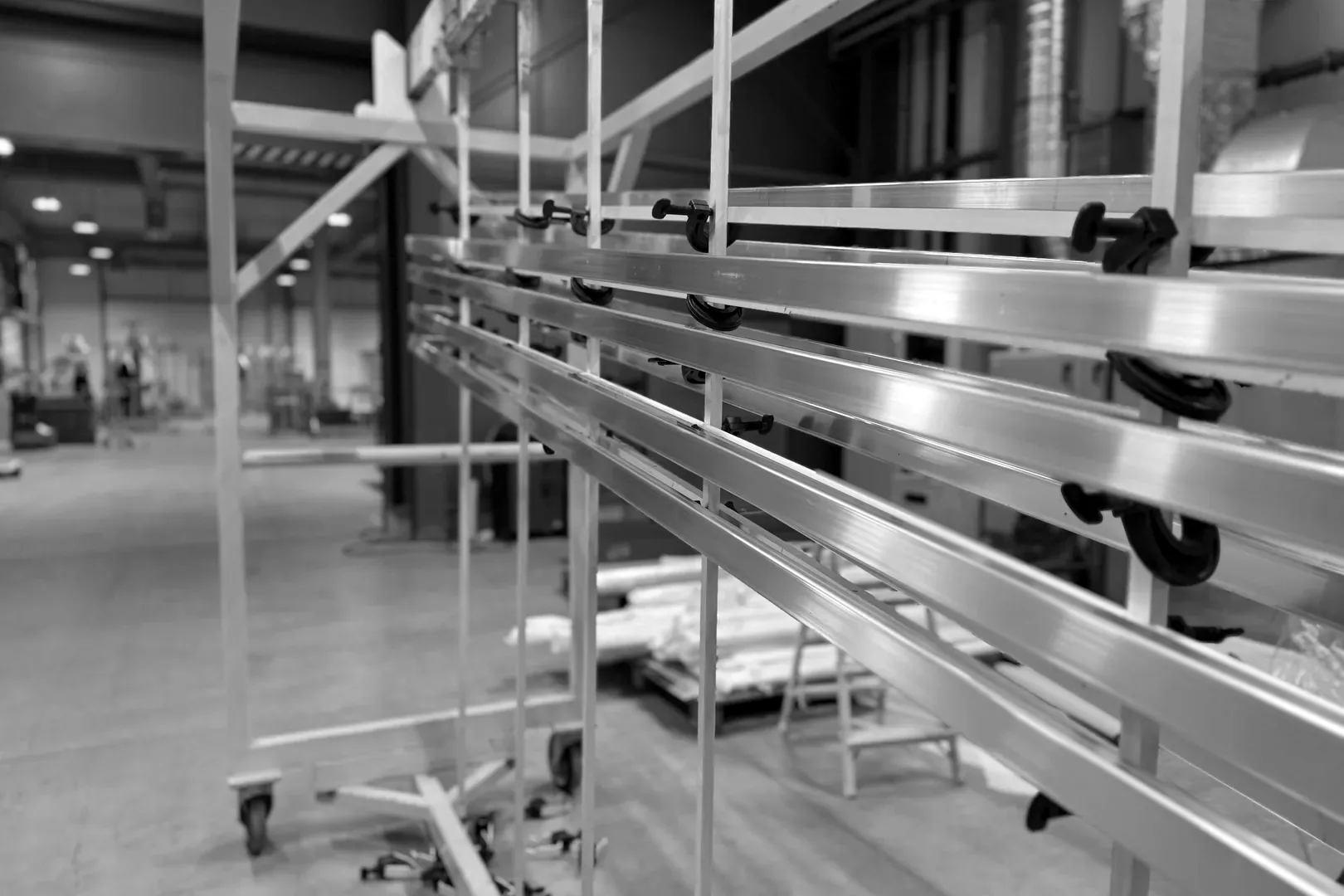
Construction
Facade profiles and architectural elements, class 20 for exterior architecture and UV-stable electrolytic shades C31 to C35. Show more
Aerospace
We are an approved supplier to the aerospace industry for anodic oxidation of aluminium. We perform clear anodizing to MIL-A-8625 Type II and DEF STAN 09-25. Show more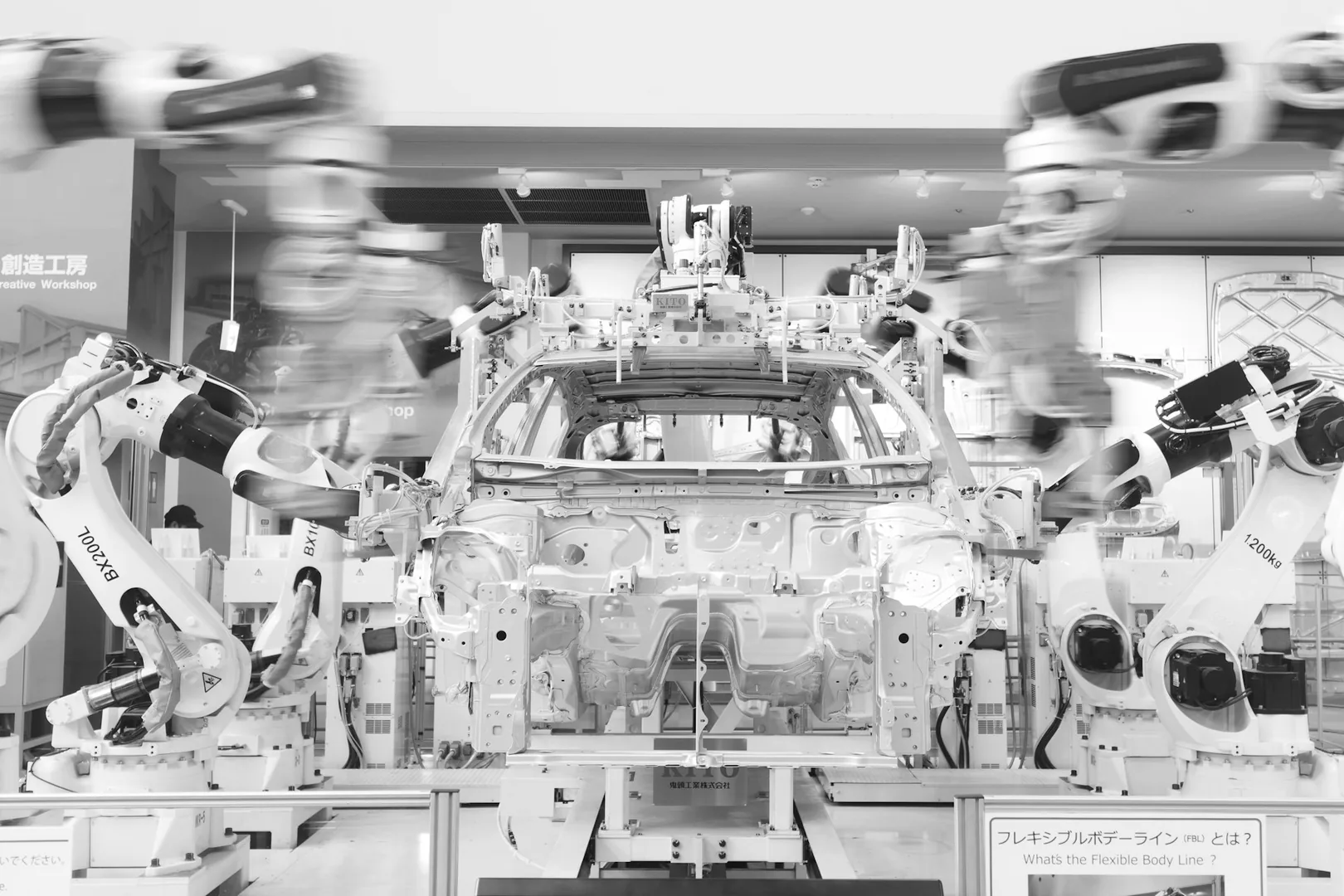
Automotive
Visible parts with a uniform metallic look and corrosion protection. Show more