
Mechanical pretreatment
Grinding, brushing and polishing of surfaces and welds up to 2000 × 1000 mm, NANO MATTE Blasting of precision parts and laser marking up to 300 × 300 mm.
Grinding, brushing and polishing of surfaces and welds up to 2000 × 1000 mm, NANO MATTE Blasting of precision parts and laser marking up to 300 × 300 mm.




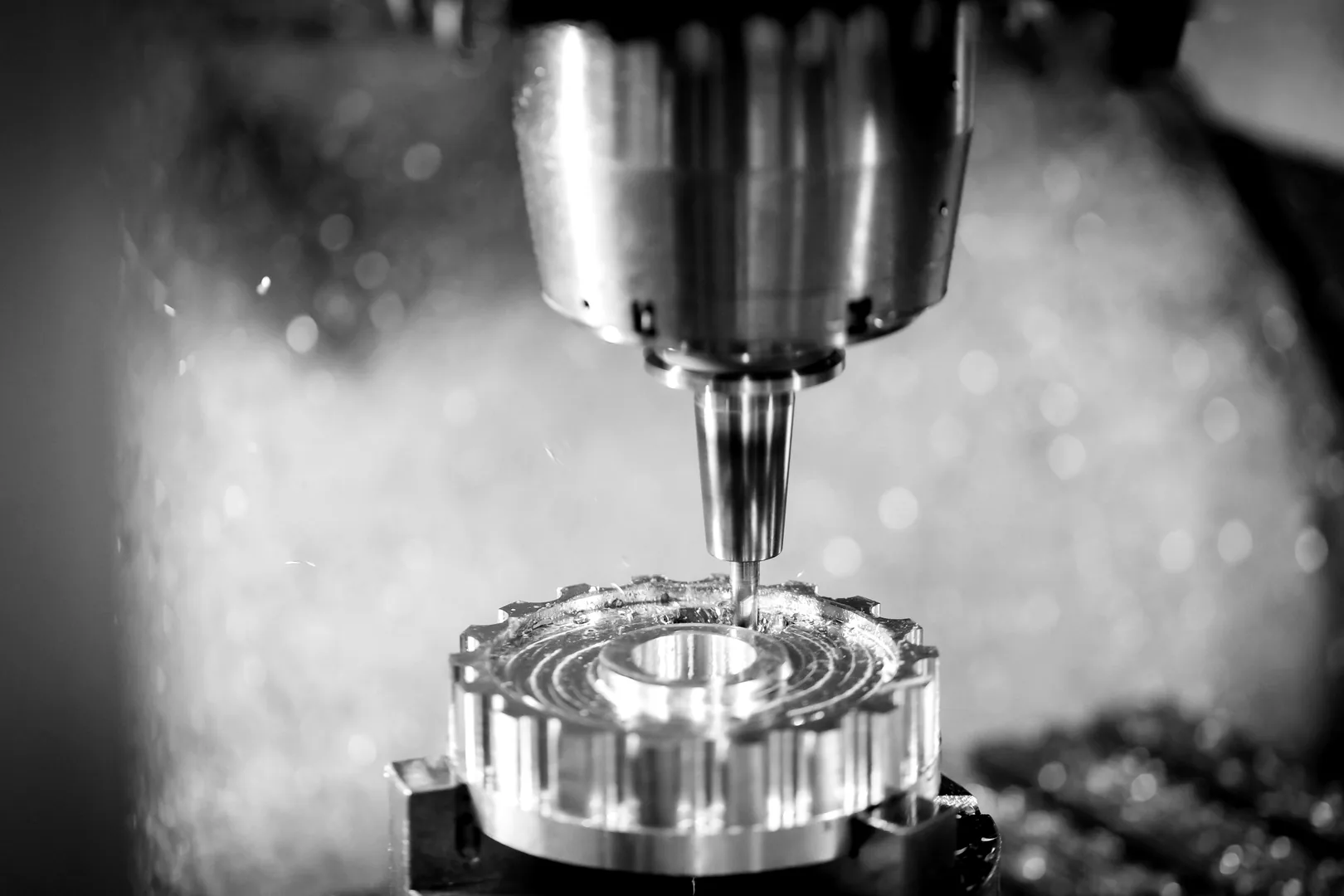
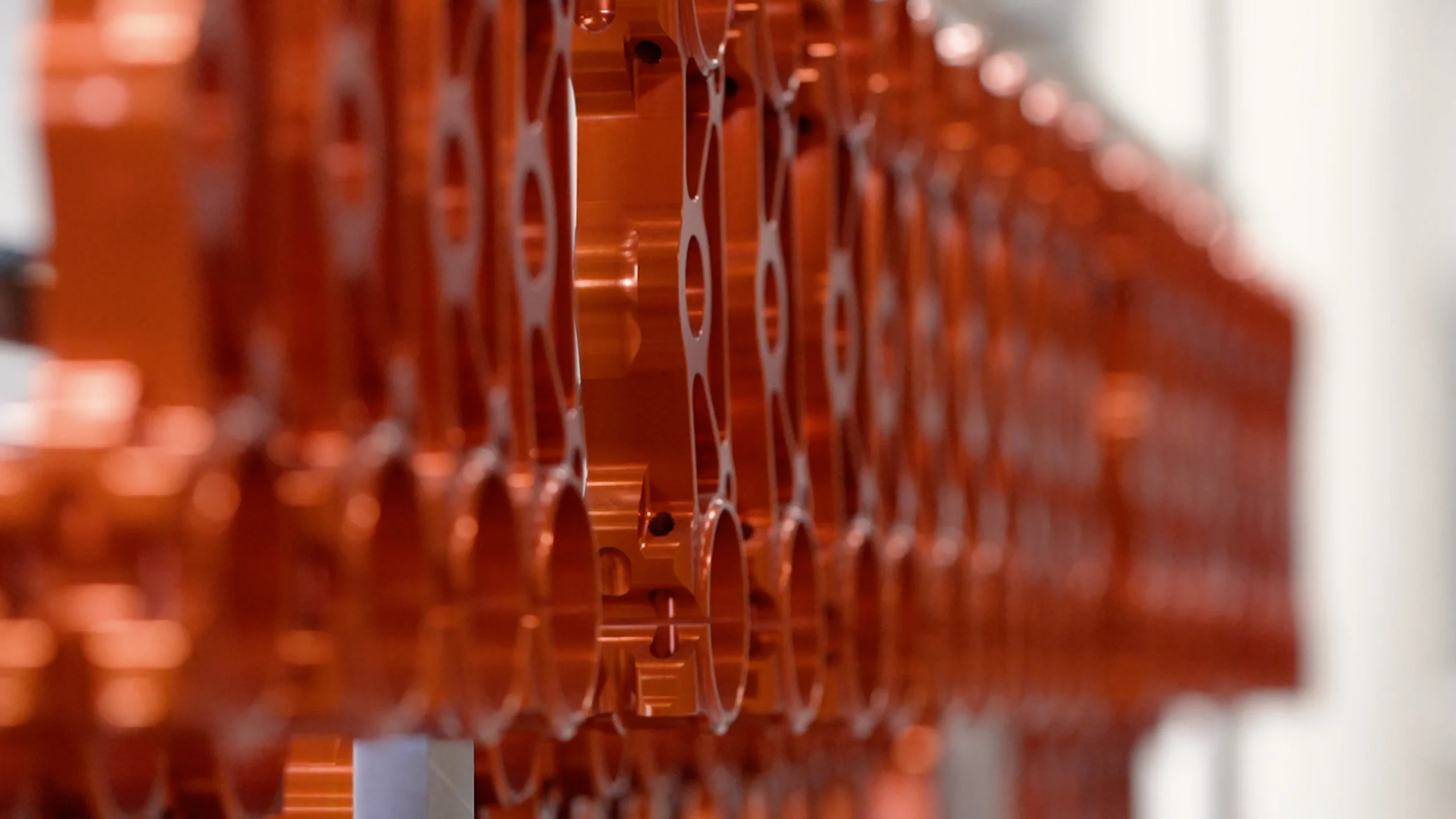
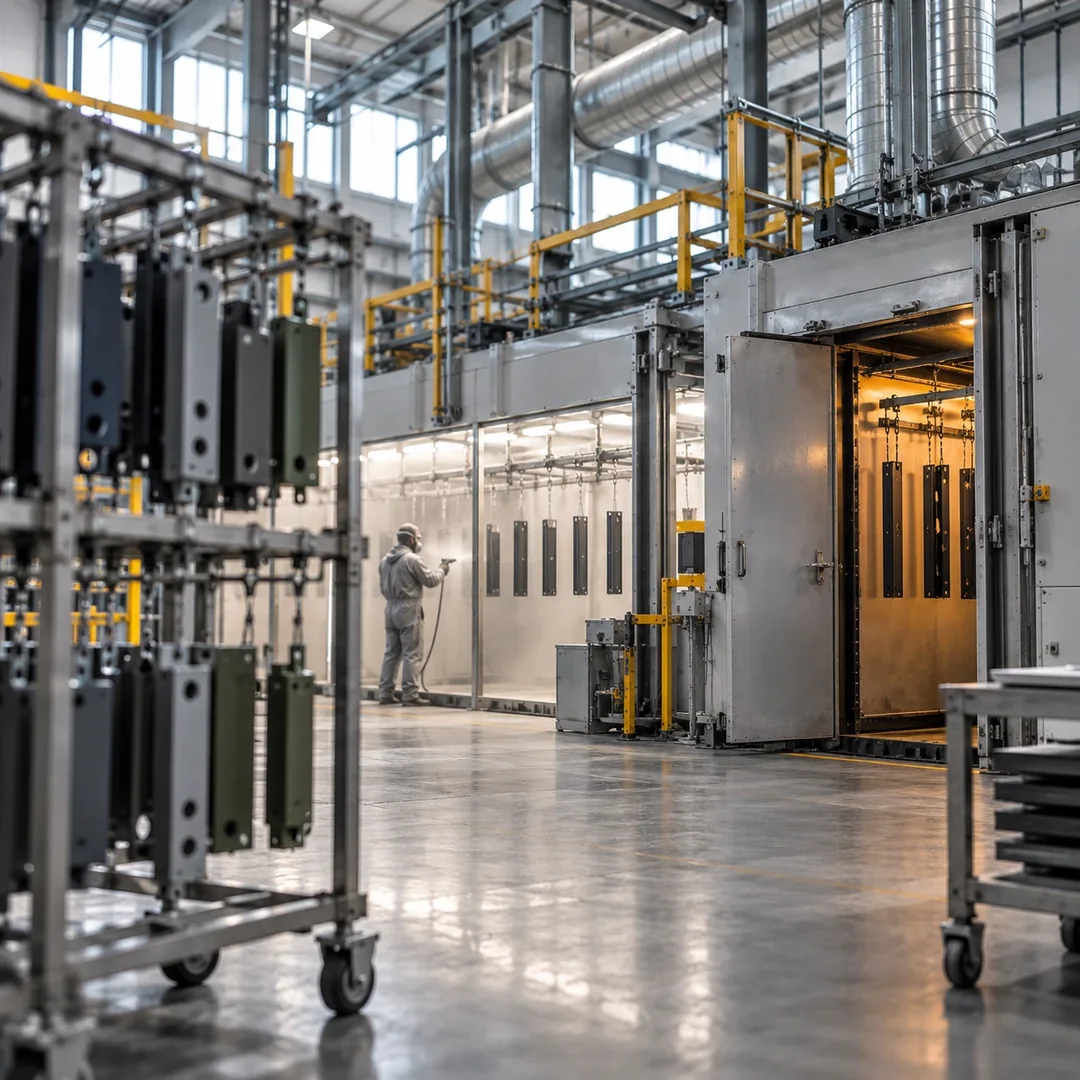
Mechanical pretreatment determines how the final surface will look. Anodizing does not hide machining marks, it emphasizes them.
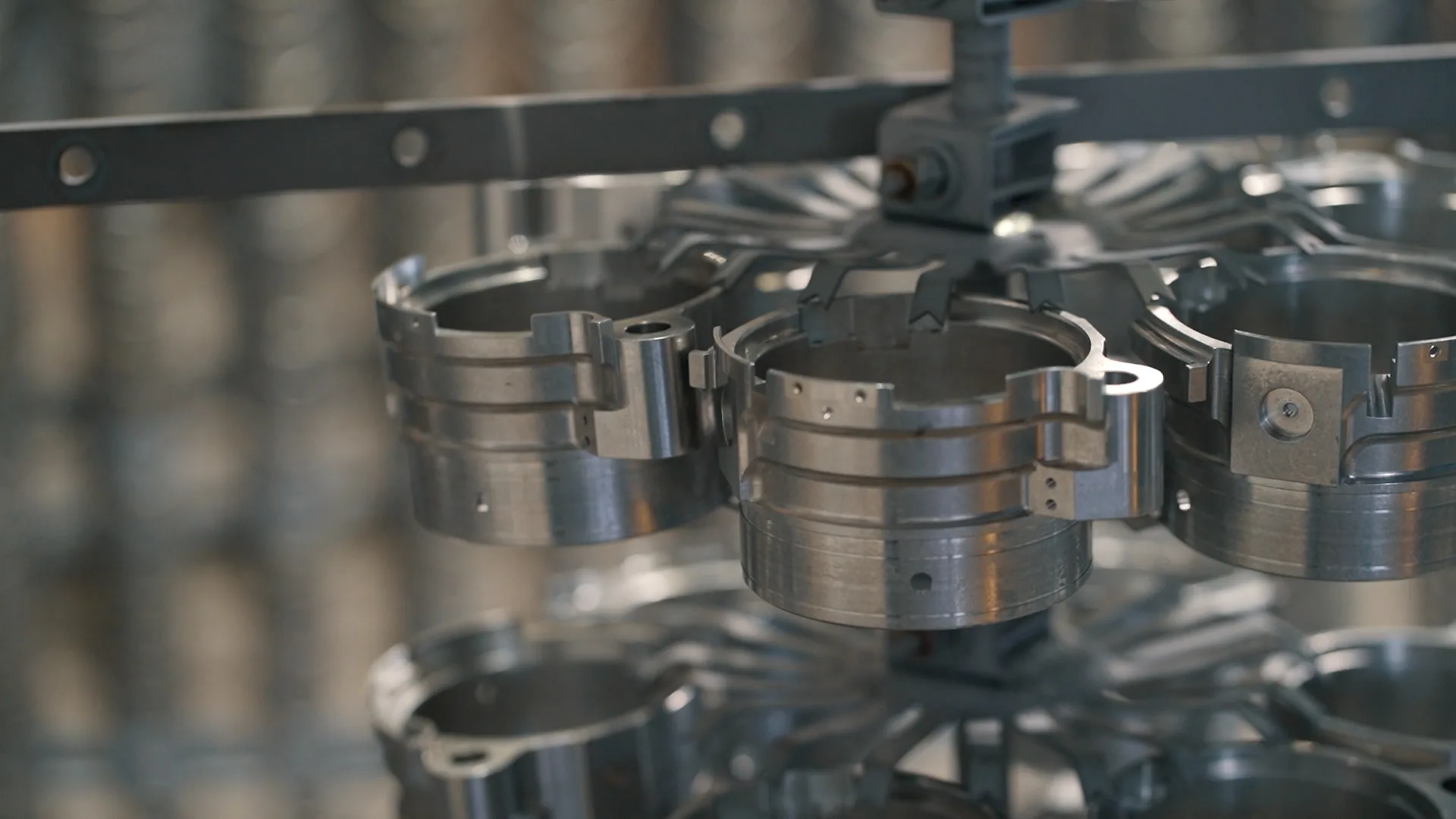
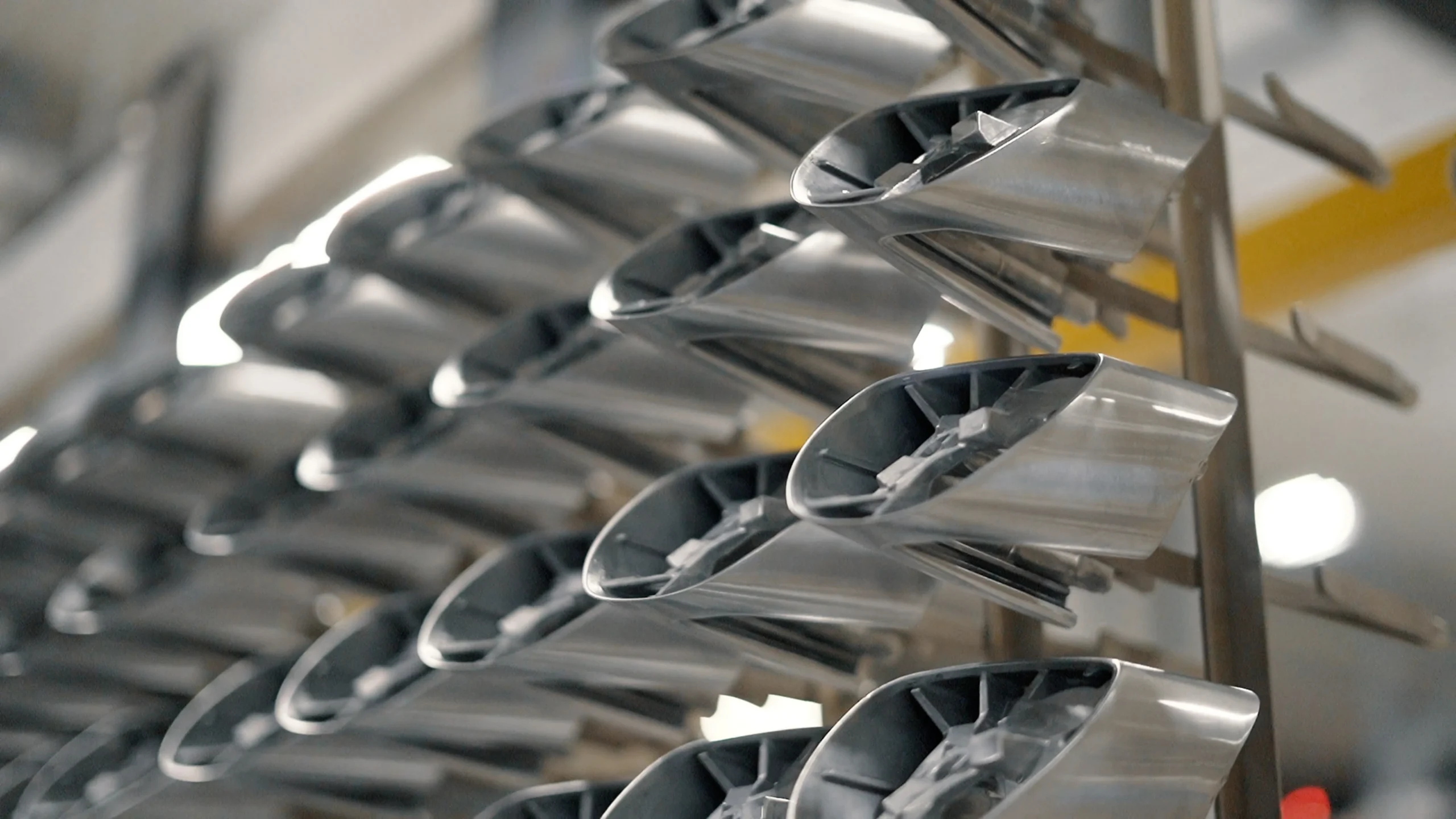
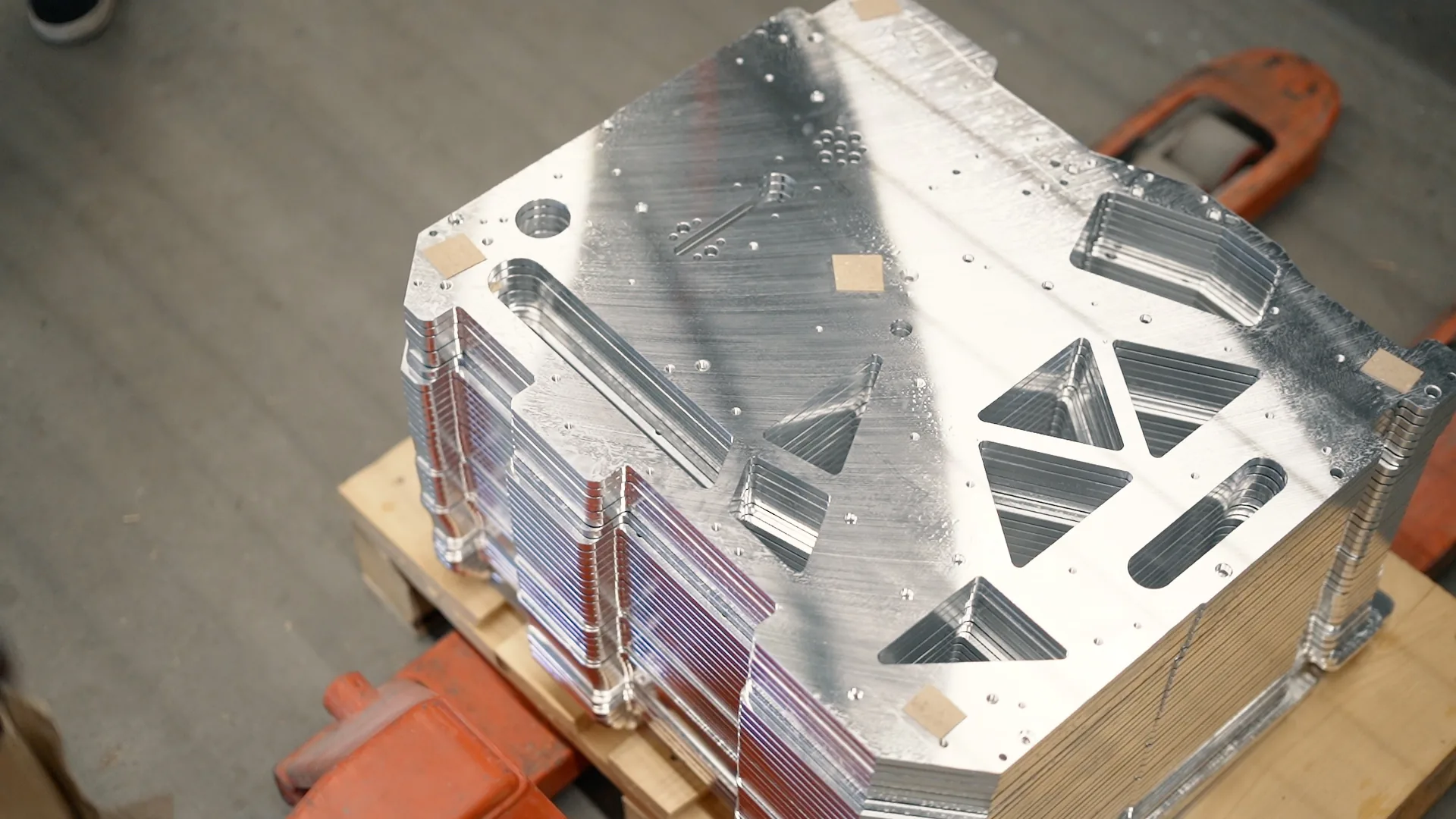
The anodic layer copies the surface beneath it, so before surface treatment we brush, grind, polish or satin-finish the parts. We brush and polish parts up to 2000 × 1000 mm, and apply NANO MATTE Blasting to precision parts up to 3000 × 550 × 100 mm. We also have semi-automatic equipment for glass bead blasting and sandblasting and a belt grinder for sheets. We can laser-mark finished parts on an area of up to 300 × 300 mm.
Aluminium sheets, weldments and precision machined parts
Delivery in 5 to 10 working days
Surfaces up to 2000 × 1000 mm
Visible parts that must show no machining marks.
Welded assemblies where the surface at the weld must match the rest of the part.
Precision parts that must be matt and uniform. We developed NANO MATTE Blasting for them.
Why choose mechanical pretreatment
In 30 seconds you will find out whether mechanical pretreatment is the right choice for your part. If you are not sure, send us a drawing and a technician will get back to you within 24 hours.
Milling marks cannot be hidden
Your part is meant to be visible. Anodizing converts the surface into aluminium oxide rather than applying a covering layer, so it does not hide machining marks but emphasises them. They must be removed before the treatment; afterwards it is no longer possible.
Welds look different from the rest of the part
You have a welded assembly and need a uniform surface. We brush external surfaces and welds and match their texture to the rest of the part.
A precision part that must be matt
You need a matt and uniform surface without a directional structure, but the part has precise dimensions. NANO MATTE Blasting is the kinetic satin finishing we developed in 2017 precisely for very precise parts.
Results you
can measure
We do not give verbal ratings; we give measurable figures you can verify on your part.
visible milling marks
NANO MATTE Blasting gives a matt and uniform surface even on components with precise dimensions.
mm max. ground area
We grind, brush and polish outer surfaces as well as welds.
mm laser marking
Laser marking of parts up to this area.
Mechanical pretreatment variants
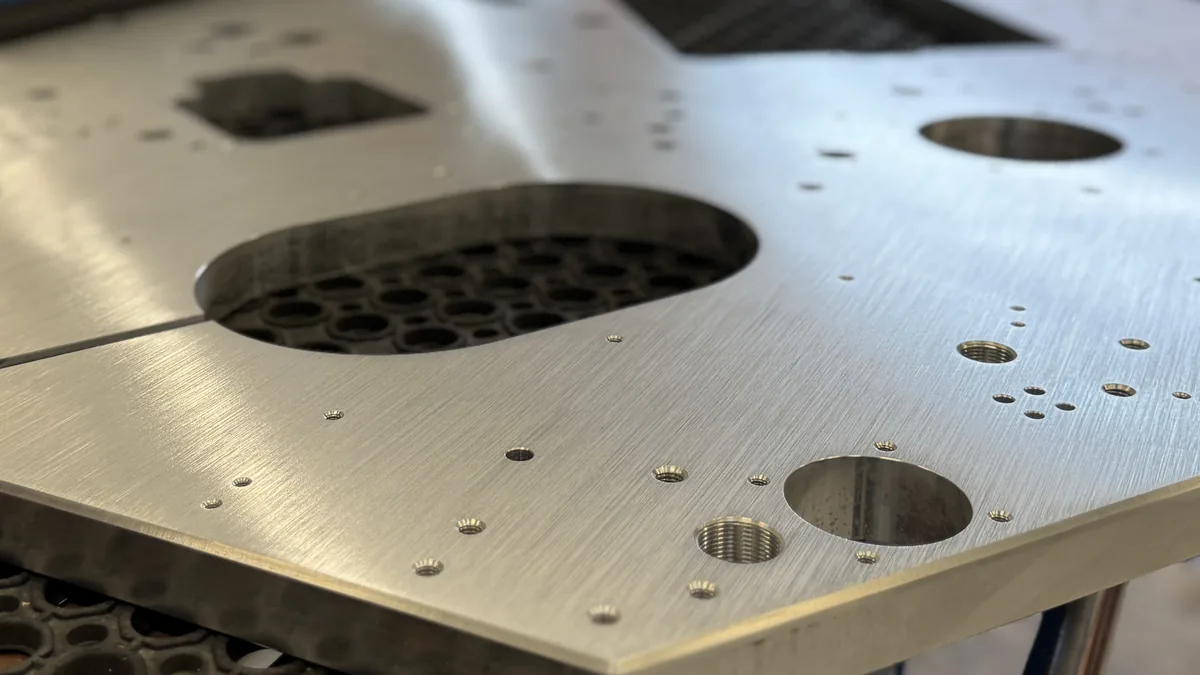
Grinding and brushing
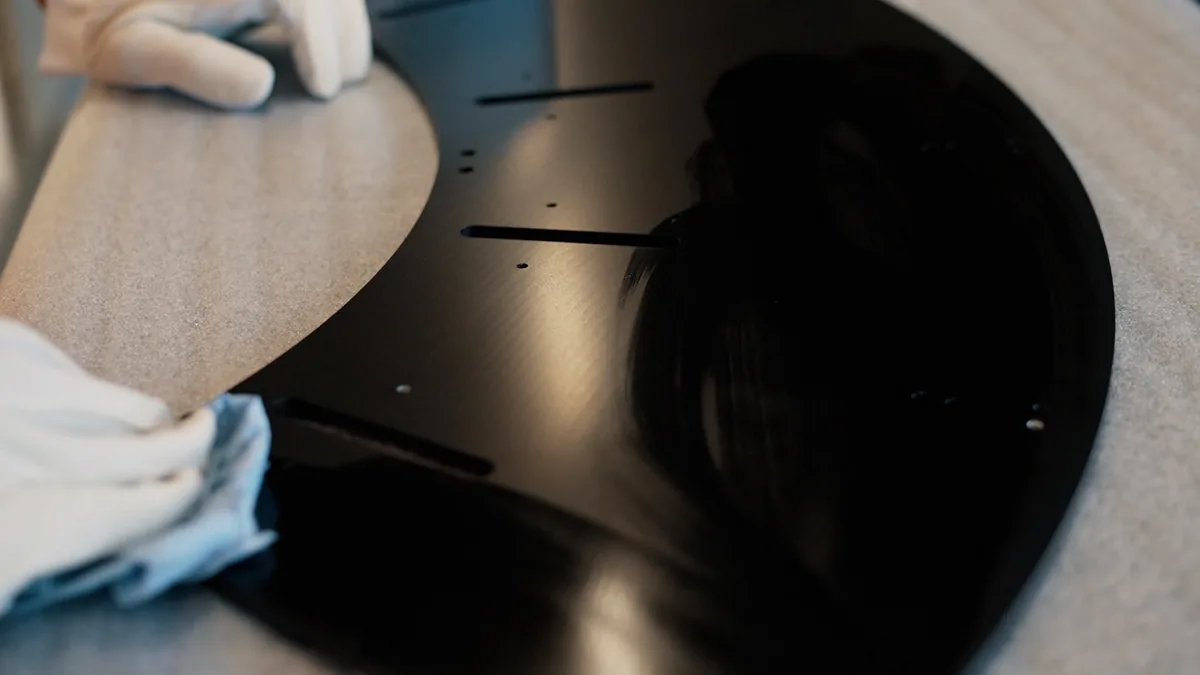
Polishing
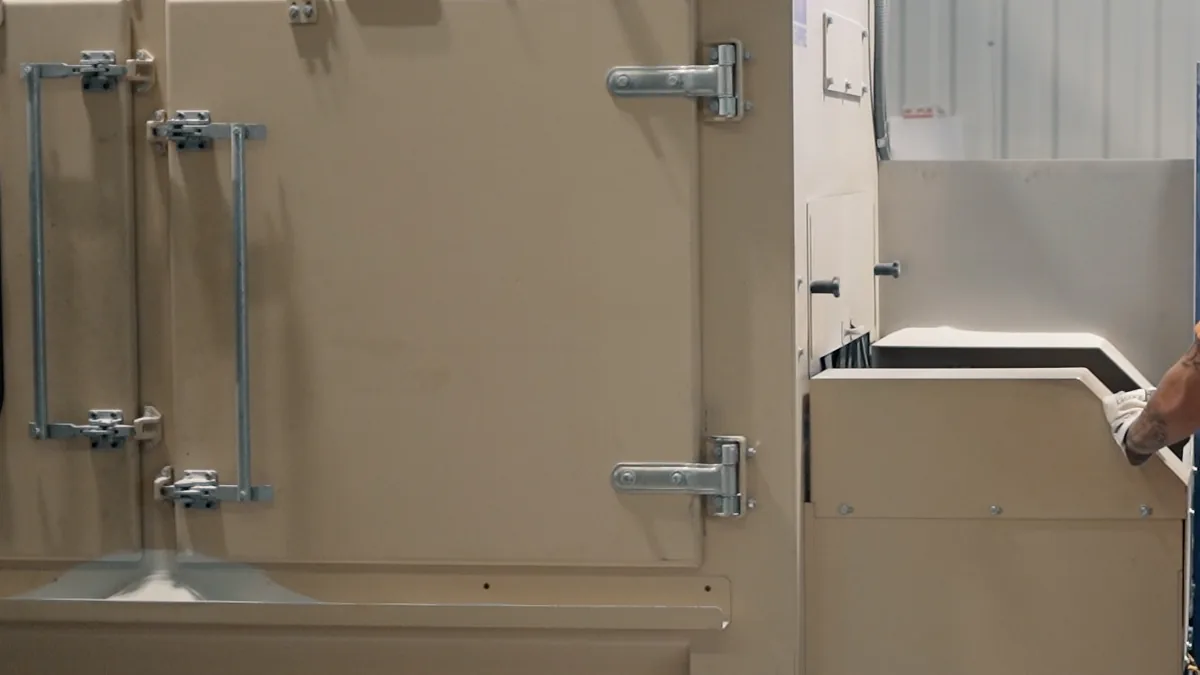
Glass bead blasting and blasting
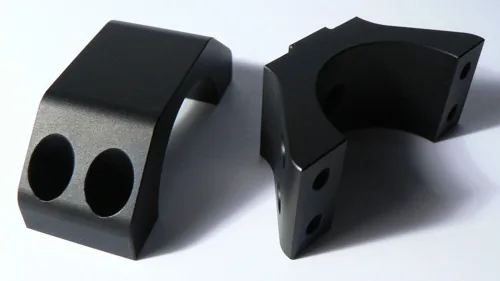
NANO MATTE Blasting

Selective satin finishing

Laser marking
Mechanical pretreatment process
Incoming inspection of the part
Choice of technology
Masking (optional)
Mechanical processing
Appearance inspection
Polishing after anodizing (optional)
Technical
specifications
Because anodizing does not hide machining marks, it emphasizes them. Anodic oxidation does not create a layer of another material; the aluminium surface itself turns into aluminium oxide. The layer therefore copies the surface beneath it. If the part is a visible one, the surface must be treated before anodizing, not after.
Grinding and brushing remove machining marks and give the surface a directional structure. Polishing creates a glossy or semi-gloss surface. NANO MATTE Blasting satin finishing gives a matt and uniform surface without a directional structure. The choice depends on how the part should look.
A special method of kinetic satin finishing that we developed in 2017 for components with precise dimensions where a matt and uniform surface without visible milling marks is required. It is used most in the defence and optics industries. Max. part dimensions 3000 × 550 × 100 mm.
For grinding, brushing and polishing, surfaces up to 2000 × 1000 mm; for NANO MATTE Blasting, parts up to 3000 × 550 × 100 mm; and for laser marking, areas up to 300 × 300 mm.
Yes. We brush outer surfaces as well as welds and even out their structure with the rest of the part. However, the shade of the weld after anodizing also depends on the filler material. With leaky welds, solution residues will seep out of the gaps during anodizing, so for hollow weldments we recommend a technological drainage hole.
Both before and after. Before anodizing we prepare the surface, after anodizing we give the part a final polish. We can also achieve gloss or semi-gloss by electrochemical polishing, but we do that chemically on the anodizing line.
Yes, we do selective satin finishing. Mark the surfaces that should not be satin finished on the drawing and state the requirement directly in your order.
Yes. We laser-mark parts on an area of up to 300 × 300 mm, for example with text, a logo or a code.

Where mechanical pretreatment is used
We have completed hundreds of projects for demanding clients in Europe and beyond.

Defence
NANO MATTE Blasting is used mainly in the defence industry: a matt and uniform surface of precision parts without visible milling marks. Show more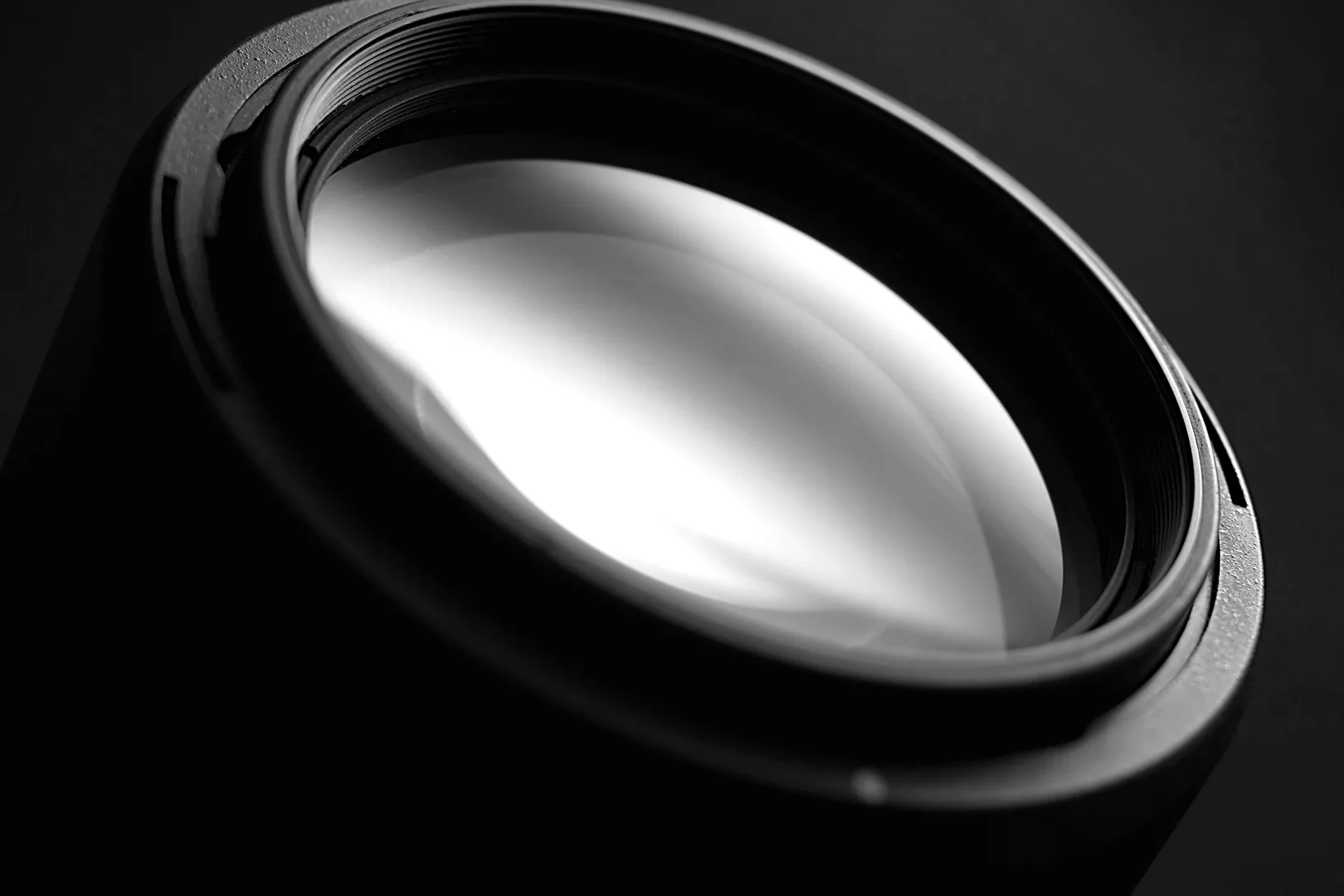
Optics
Precision parts that must remain matt and uniform after anodizing, without shiny spots. Show more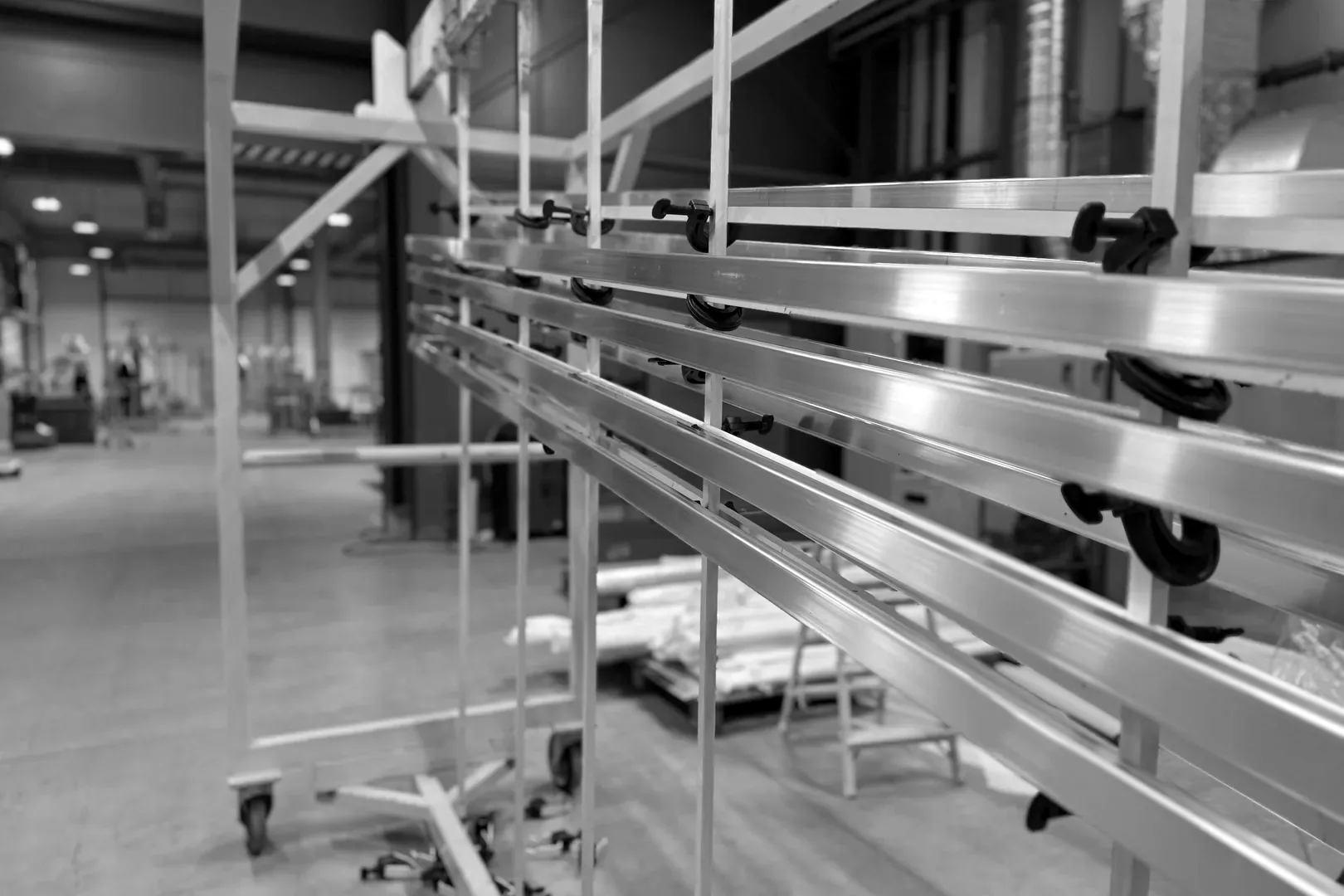
Construction
Visible aluminium sheets and architectural elements with a uniform surface on an area of up to 2000 × 1000 mm. Show more