

Hard anodizing
A 10 to 80 µm layer, hardness of 370 to 600 HV and electrical insulation even at temperatures up to 500 °C.
A 10 to 80 µm layer, hardness of 370 to 600 HV and electrical insulation even at temperatures up to 500 °C.


Hard anodizing is the anodic oxidation of aluminium that produces a thick and very hard oxide layer of 10 to 80 µm. It is intended for functional parts subject to wear.
As with clear anodizing, no other material is applied to the aluminium; the surface turns into aluminium oxide firmly bonded to the base material. Hard anodizing offers excellent wear resistance, high hardness and very good corrosion resistance; the layer withstands heat up to the melting point and insulates electrically even at temperatures up to 500 °C. It also serves as a base layer for sliding lacquers and Teflon. The shade of the undyed layer depends on the alloy and thickness, from pale grey through olive green to dark brown; if you need a uniform look, we dye the layer black.
Wrought aluminium alloys of the 1000, 5000 and 6000 series · castings by a special process
Delivery in 5 to 10 working days
Parts from 10 mm up to 3700 × 1700 × 800 mm
Excellent wear resistance and high hardness, without applying another material that could peel off.
Electrical insulation even at temperatures up to 500 °C; the layer withstands heat up to the melting point.
A base layer for sliding lacquers and Teflon, both penetrated and thermoset.
Why choose hard anodizing
Find out in 30 seconds whether hard anodizing is the right choice for your part. If you are not sure, send us a drawing. A technician will assess it and suggest a suitable treatment.
A part subject to wear
Your aluminium part rubs, slides or is exposed to abrasion. Hard anodizing creates a 10 to 80 µm layer with high hardness and excellent wear resistance, without applying a material that could peel off.
Insulation even at high temperature
You need an electrically non-conductive surface that withstands heat. The hard anodic layer keeps its electrical insulation even at temperatures up to 500 °C and withstands heat up to the melting point.
Predictable dimensions
The part has tight tolerances. The layer grows in both directions from the original surface, outwards by about 50 % of its thickness; with a 30 µm layer, the diameter of a hole decreases by 30 µm. You can therefore include the thickness in the drawing in advance.
Results you
can measure
We do not give verbal ratings; we give measurable figures you can verify on your part.
max. layer thickness
Adjustable thickness of 10 to 80 µm according to the stress on the part.
electrical insulation
The layer insulates even at temperatures up to 500 °C and withstands heat up to the melting point.
layer hardness
Hard anodizing reaches 370 to 600 HV depending on the alloy. The layer is formed electrochemically, without an additional coating.
Hard anodizing variants
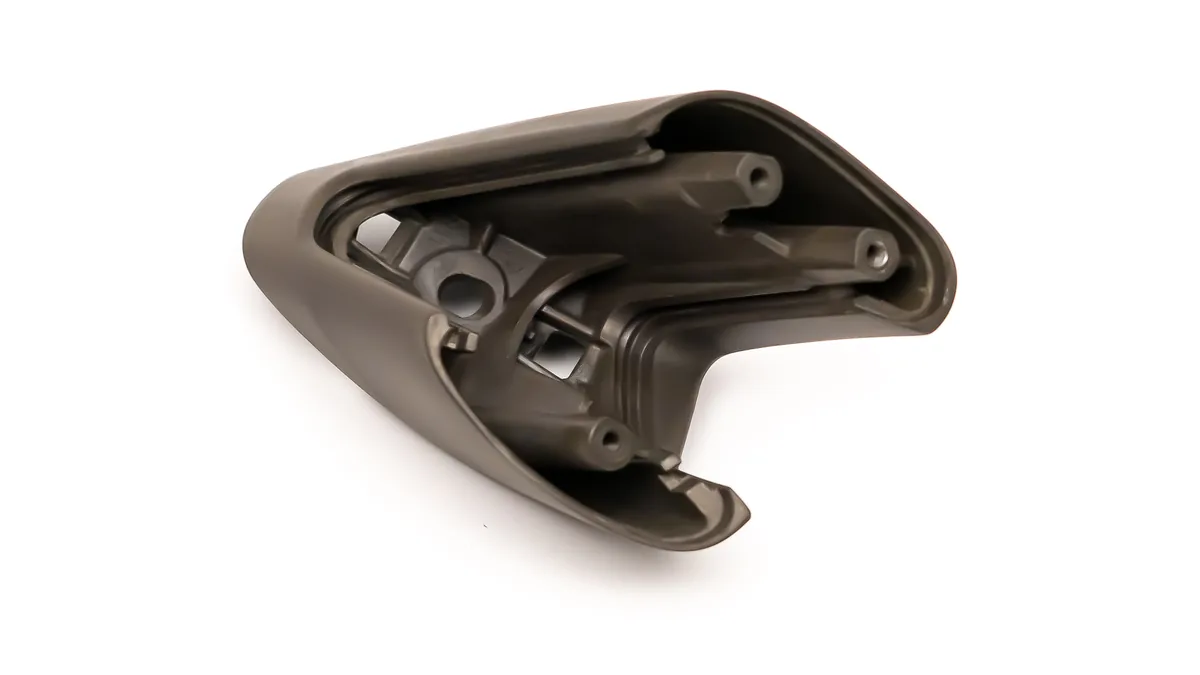
Undyed hard anodizing
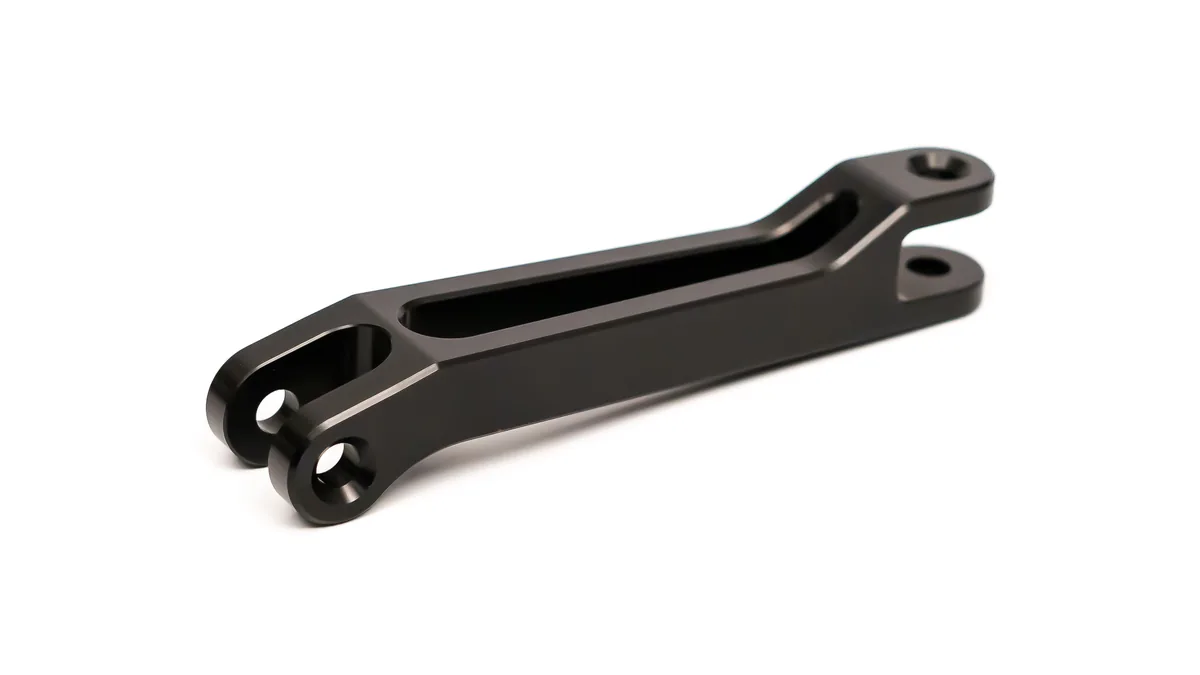
Black-dyed hard anodizing
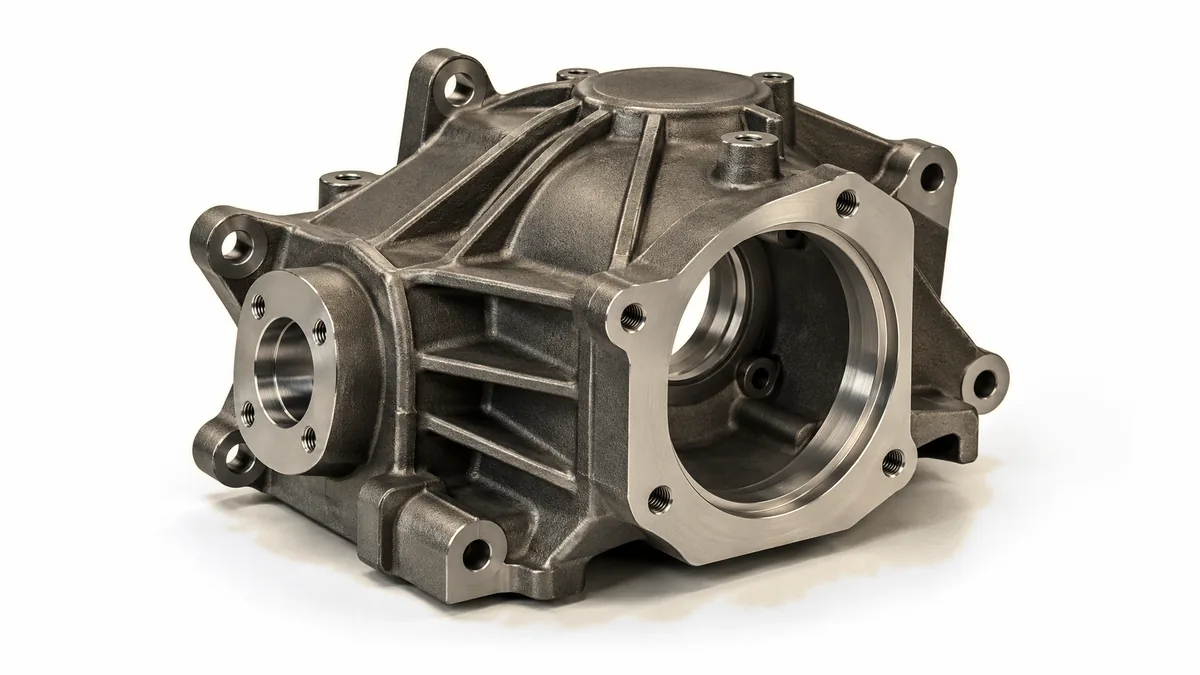
Hard anodizing of castings
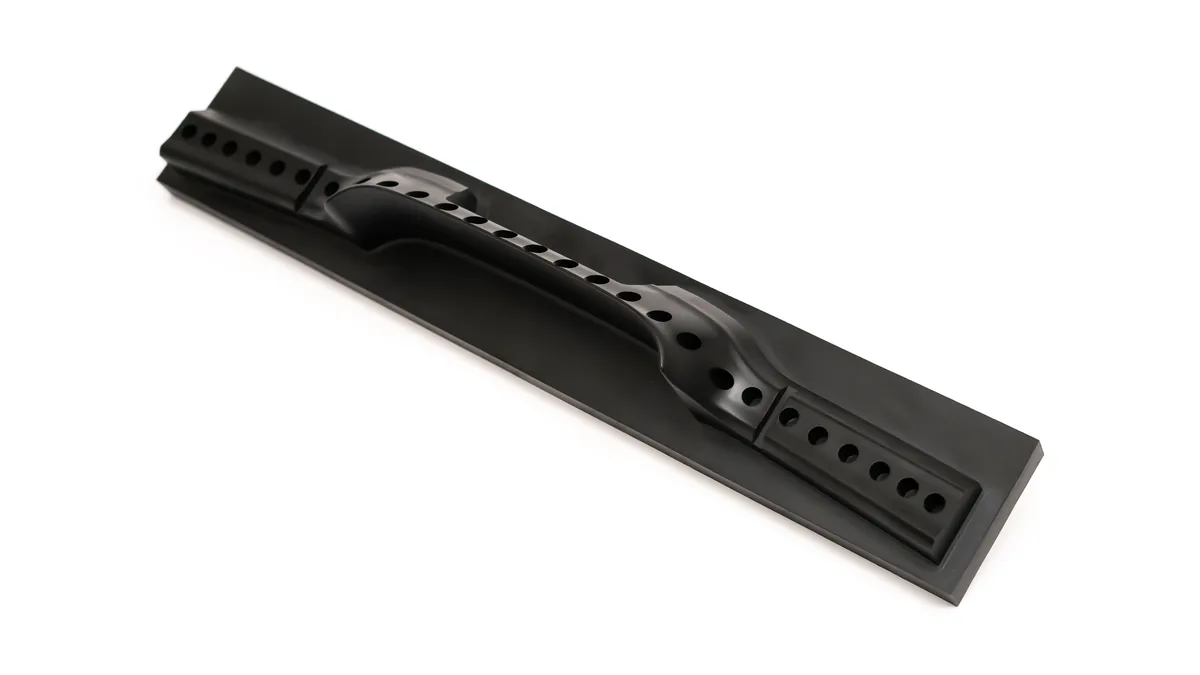
Penetrated Teflon
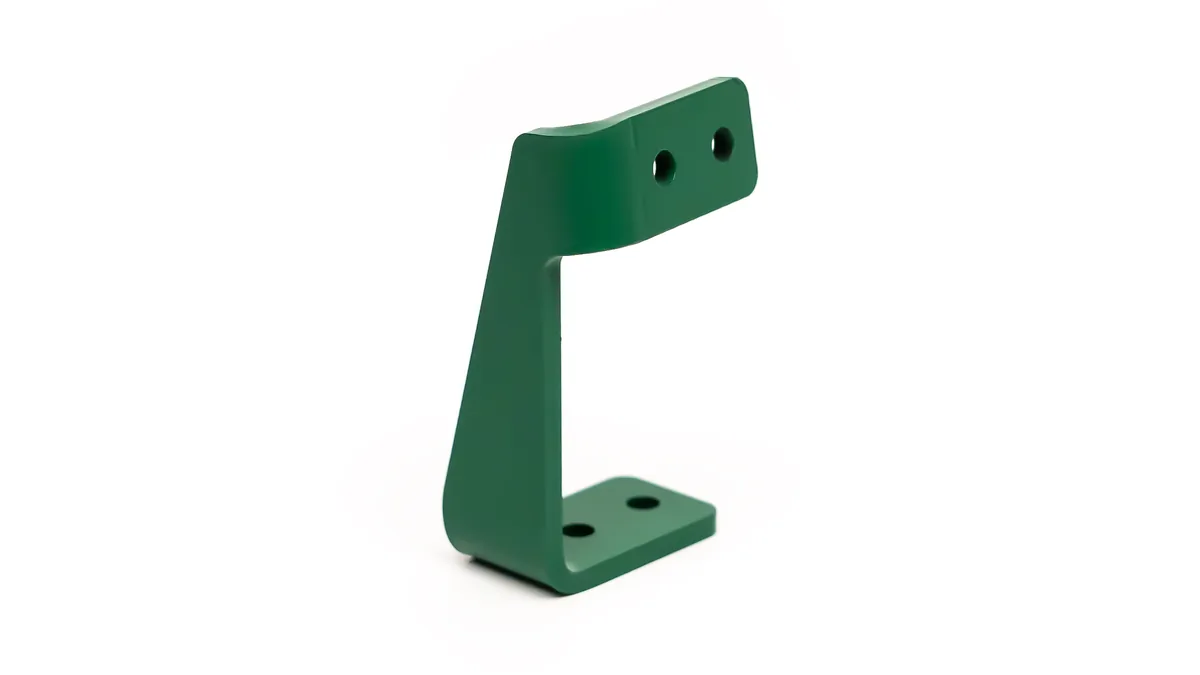
Thermoset Teflon
Hard anodizing process
Degreasing
Pickling
Hard anodic oxidation
Black dyeing (optional)
Sealing (optional)
Technical
specifications
Clear anodizing forms a 5 to 25 µm layer and is used mainly for corrosion protection and a decorative look. Hard anodizing forms a 10 to 80 µm layer, is considerably harder and more wear-resistant and is used for functional, mechanically stressed parts. Its undyed shade depends on the alloy, from pale grey through olive green to dark brown.
We set the thickness in the range of 10 to 80 µm depending on how the part is stressed. Keep in mind that the layer grows outwards by about 50 % of its thickness. Send us the drawing and the alloy type, and a technician will recommend the thickness.
Yes. The oxide layer grows in both directions from the original surface; the outward growth is about 50 % of the layer thickness. With a 30 µm layer, the diameter of a hole decreases by 2 × 15 µm = 30 µm. State any requirement to protect holes, threads or surfaces directly in your order; masking is charged extra.
The shade of the undyed layer depends on the alloy type and layer thickness, from pale grey through olive green to dark brown. If you need a uniform look across parts made of different alloys, we dye the layer black.
Hot-water sealing reduces the hardness and wear resistance of the layer. In cold sealing, the pores are closed with metal ions and the mechanical properties do not change. We choose the variant depending on whether corrosion or mechanical stress is the priority for the part.
Yes, in two ways. Penetrated Teflon impregnates the hard layer with a Teflon dispersion (PTFE 3 to 5 µm) and improves sliding properties while keeping the dimensions of the part. Thermoset Teflon is a separate coating applied over hard anodizing, sliding or non-stick depending on the type; some types are approved for food contact.
Yes, with a special process. Castings with a high content of Si, Cu and Fe anodize poorly in the standard process because these elements cannot be anodized. For high-pressure die castings we have developed a hard anodic oxidation process with a layer of min. 20 µm, in some cases 30 µm. We can dye the layer black, which evens out the otherwise uneven shade.
To ISO 10074, STN EN 2536, MIL-A-8625 and DEF STAN 03-25. For every order we issue a certificate of the treatment performed; for the aerospace and automotive industries also extended quality documentation according to your specification.

Where hard anodizing is used
We have completed hundreds of projects for demanding clients in Europe and beyond.

Aerospace
We are an approved supplier to the aerospace industry for anodic oxidation of aluminium. Precision parts that require hardness and wear resistance. Show more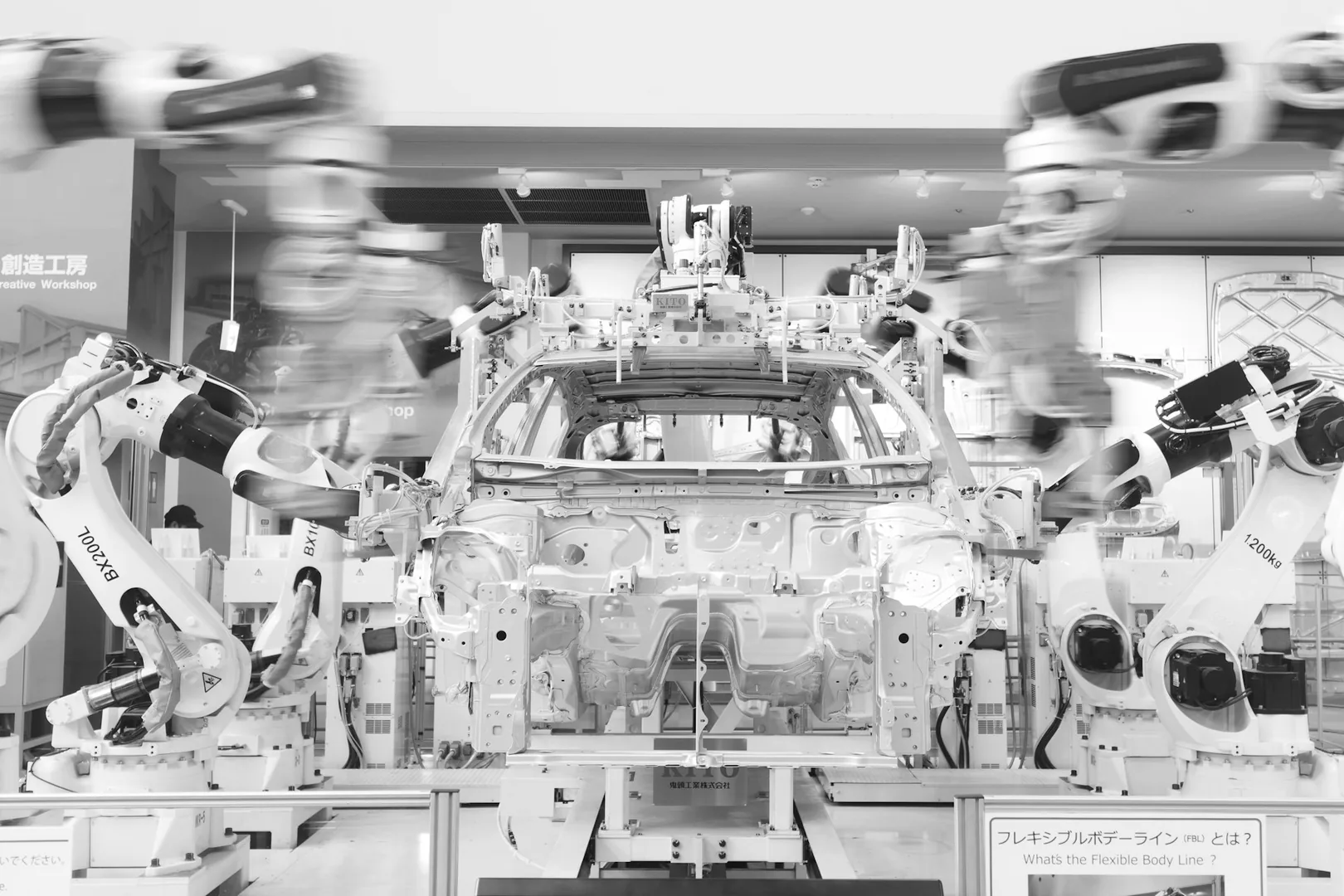
Automotive and motorcycle industry
Functional components for cars and motorcycles that require hardness and wear resistance. A 10 to 80 µm layer. Show more
Engineering and electrical
Functional machine parts where aluminium rubs or slides, and parts that must insulate electrically even at 500 °C. Show more